
Dirty Chai: Where Tea Meets Espresso in a Bold Cultural Blend

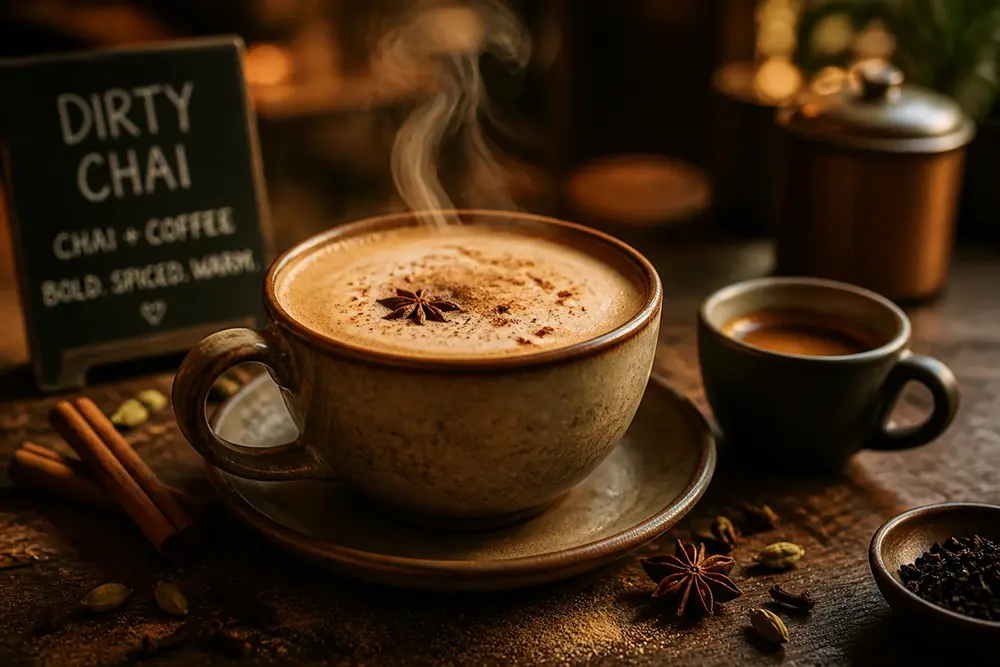
Dirty Chai—the name sounds playful, even rebellious—yet beneath its café charm lies one of the most fascinating fusions in modern beverage culture: the meeting point of two worlds, tea and coffee.
It’s a drink that challenges categories and invites curiosity. You may taste it once and ask, “Is this tea? Or coffee?” The answer is delightfully both.
What Exactly Is Dirty Chai?
At its simplest, Dirty Chai is a combination of:
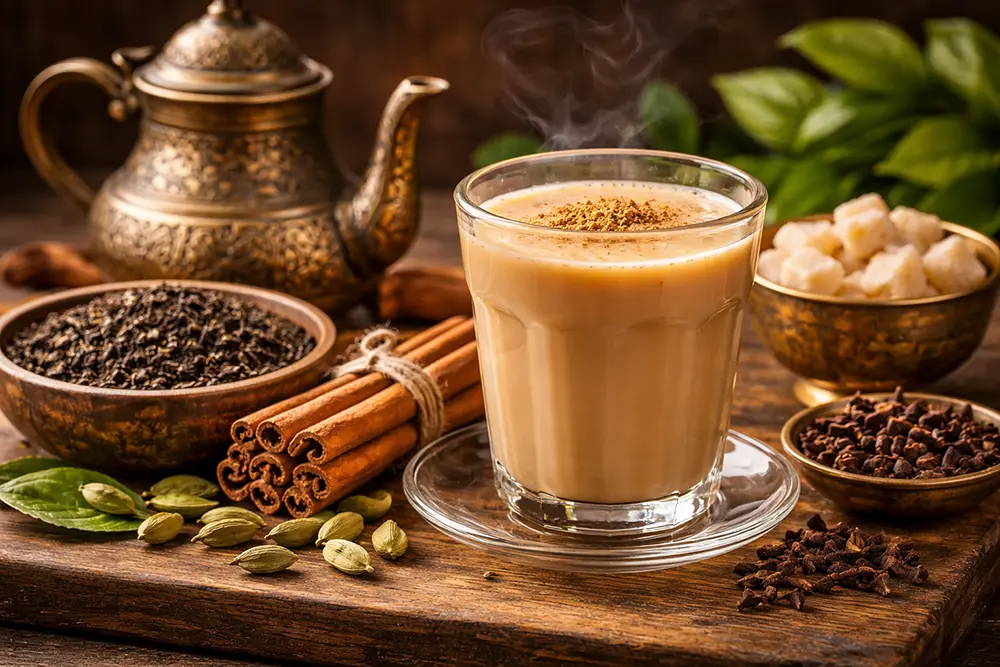
– Masala Chai (Spiced Tea or Chai Latte)
– A shot of espresso
Served hot (or iced), blended with milk, and usually lightly sweetened.
It’s a cozy crossover that combines the warming spice profile of traditional Indian chai with the deep, roasted intensity of espresso—creating a beverage that’s aromatic, kicky, and full‑bodied.
-The Meaning Behind “Dirty”
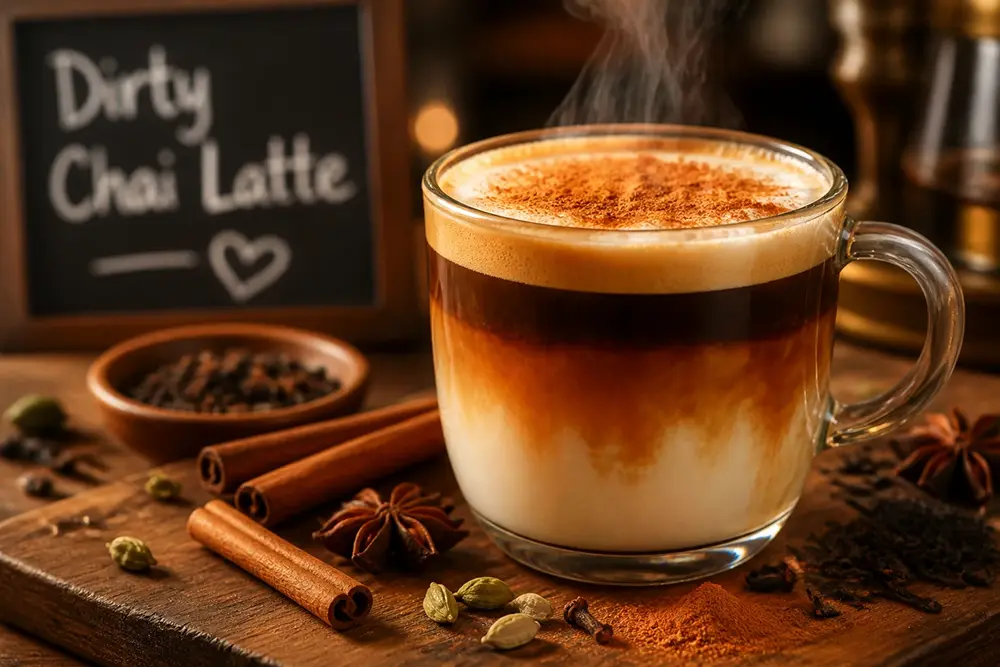
The term “Dirty” arose from café slang. When a barista adds espresso to chai latte, the drink’s color becomes visibly darker, muddier, more coffee‑like—hence “dirty chai.”
Over time, the name stuck and spread across global coffee menus, turning what started as a quirky twist into a beloved modern classic.
The Origins: A Happy Accident That Started in London
Unlike many historic drinks with well‑documented roots, Dirty Chai doesn’t come from royal tea rooms or ancient trade routes—it came from a café mistake.
According to popular accounts, the drink originated in the 1980s or early 1990s in London. A barista accidentally poured a shot of espresso into a customer’s chai latte. The result, surprisingly delightful, caught attention. The blend became an instant favorite among adventurous coffee drinkers, then spread through café culture worldwide.
By the mid‑1990s, coffee chains in Australia and North America started serving it by name: Dirty Chai Latte, sometimes called Chai+Espresso or Espresso Chai.
Why Has Dirty Chai Become So Popular?
A few reasons explain its lasting allure:
- Best of Both Worlds – Tea drinkers find it richer; coffee lovers find it spicier.
- Unique Flavor Layering – The spices of chai amplify coffee’s aroma beautifully.
- Elevated Energy Boost – Combined caffeine from tea and espresso gives a reliable yet smoother lift.
- Cultural Fusion – It represents global connection—India’s chai meets Italy’s espresso.
Dirty Chai isn’t merely a drink. It’s a conversation between continents, ingredients, and traditions.
Flavor Profile: What Does Dirty Chai Taste Like?
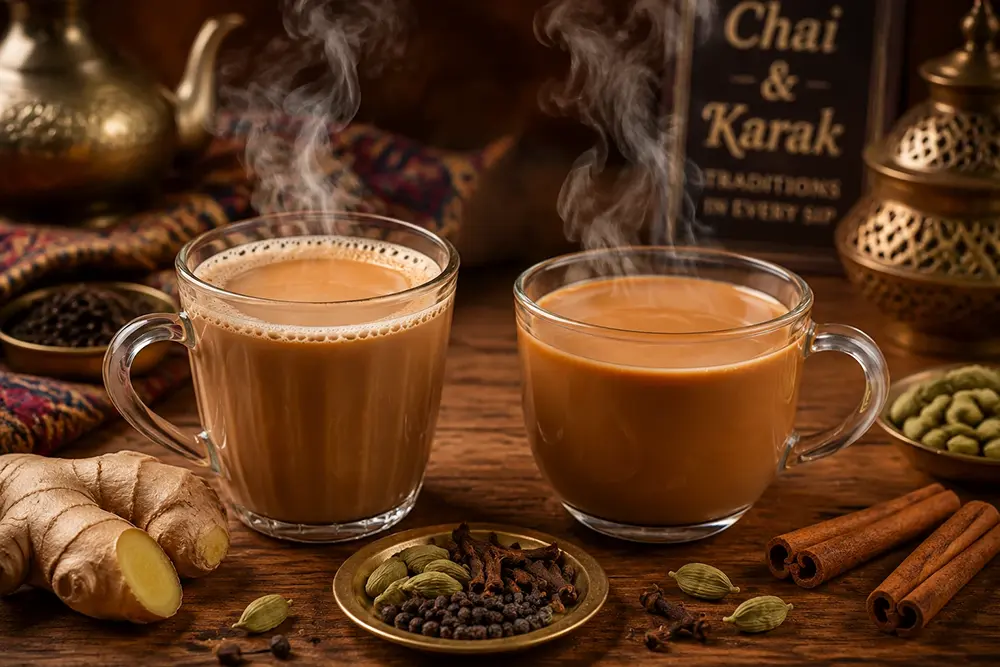
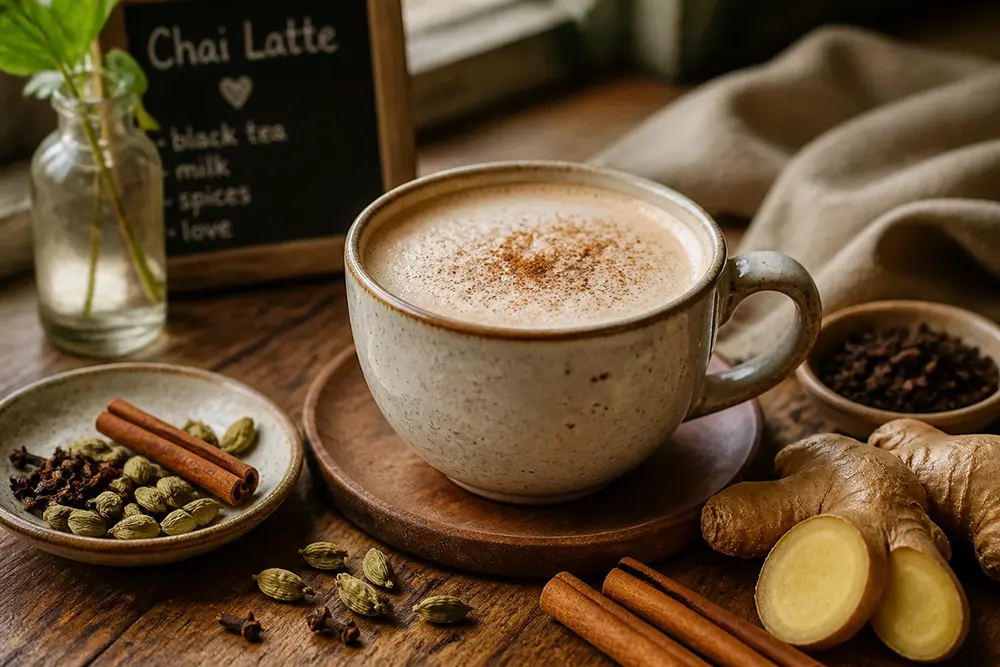
The experience begins with familiar chai spices:
– Cinnamon – Sweet warmth
– Cardamom – Floral and aromatic
– Ginger– A gentle bite
– Clove & Nutmeg – Earthy, background notes
Then espresso enters. It deepens everything, adding a roasted bitterness that contrasts with chai’s natural sweetness. Milk binds them into harmony, turning opposite flavors—spice and roast—into a velvety unity.
You might describe its flavor as comforting yet exciting: creamy, bold, spicy, slightly smoky, with an aftertaste that lingers like dessert.
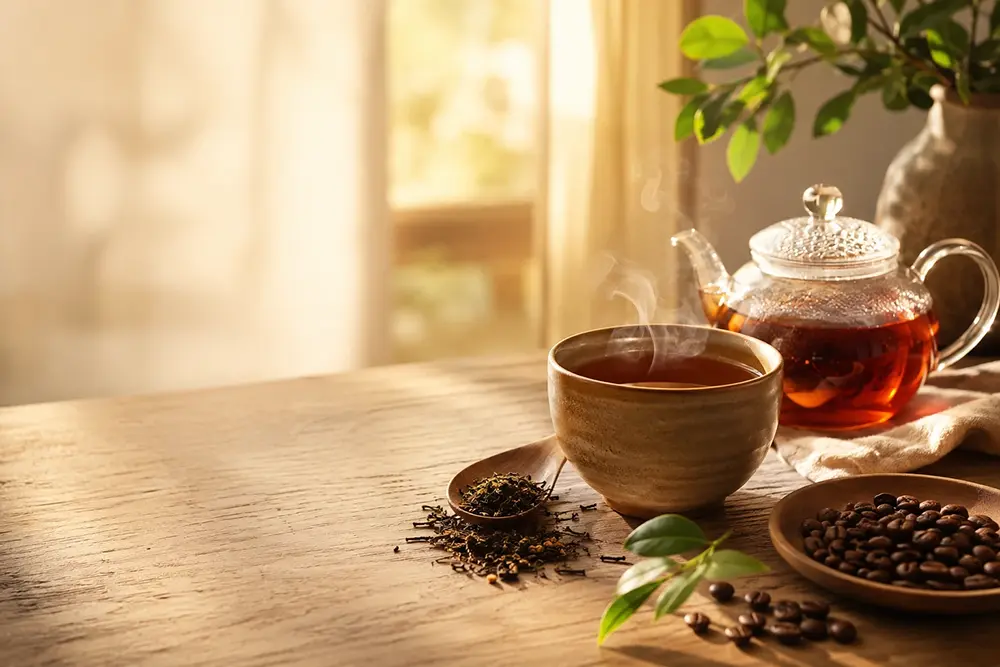
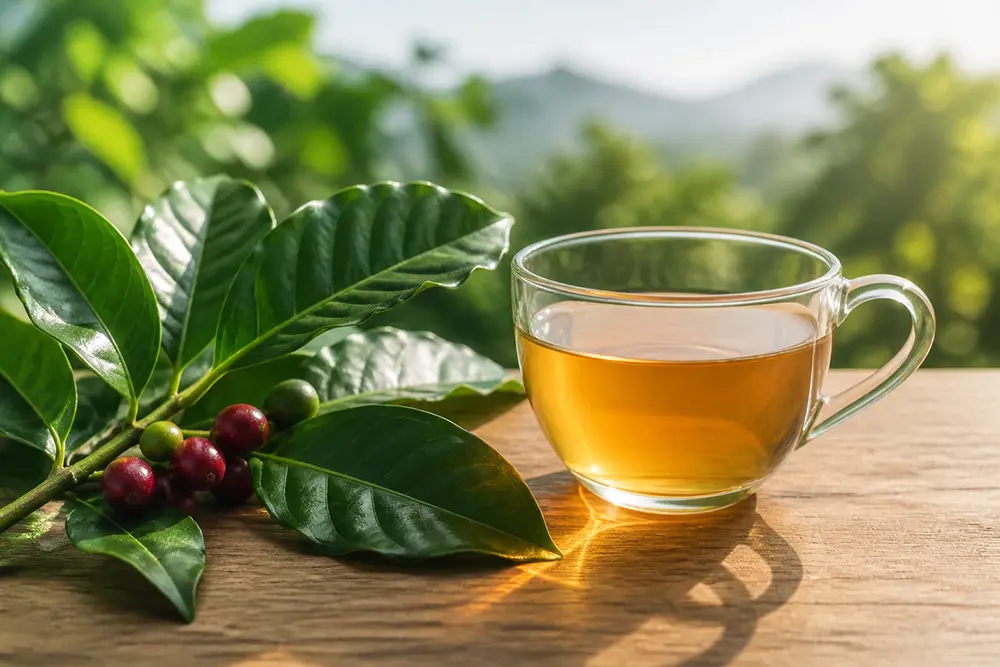
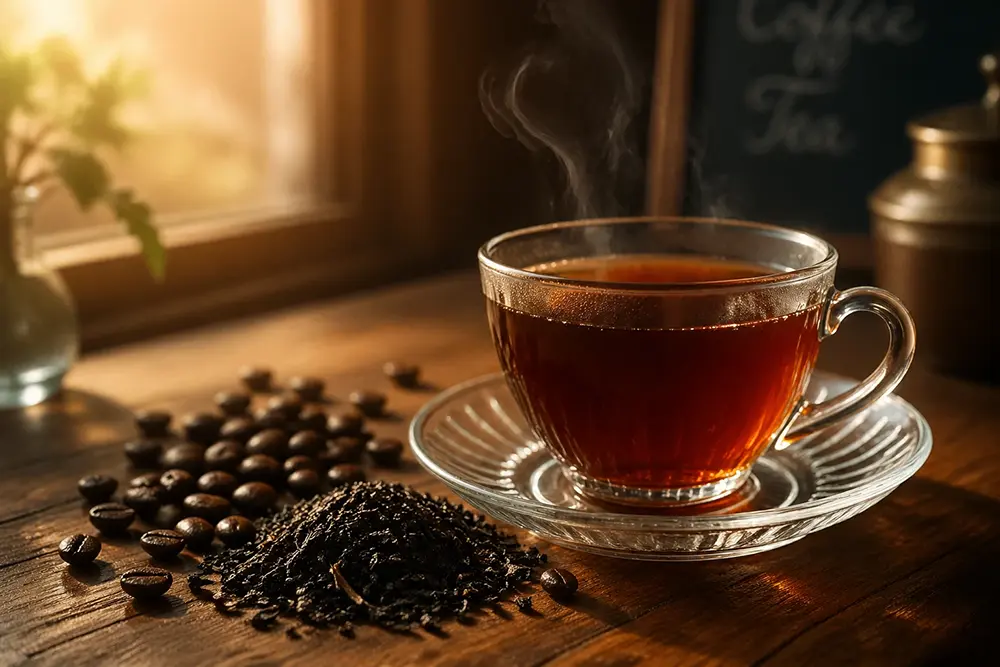
f you enjoy tea blends that lean toward a roasted, coffee‑like profile, you might also like our guide on Coffee‑Flavored Tea, a unique infusion that brings tea and coffee worlds even closer.
Dirty Chai vs. Chai Latte vs. Coffee Latte
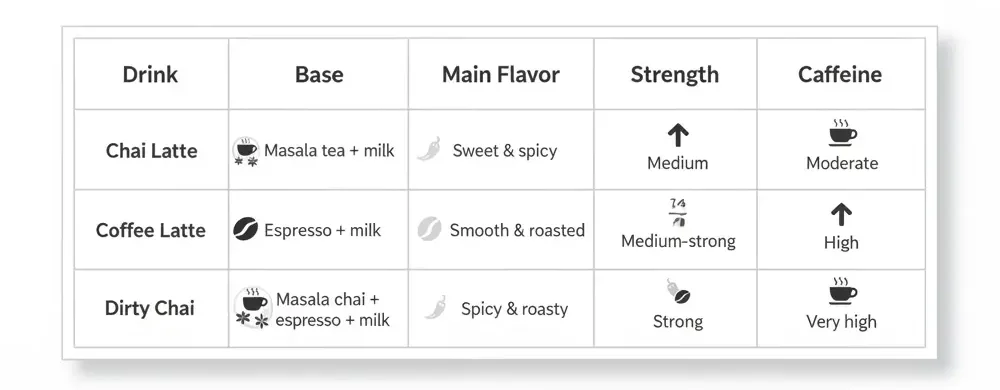
Dirty Chai stands between two universes: familiar to both, identical to neither.
You can also explore unique blends like our Coffee‑Infused Lahijan Tea, which naturally combines the warmth of coffee notes with the depth of traditional tea.
Comparing Caffeine Levels
A typical café‑sized Dirty Chai (about 350–400 ml) combines tea and espresso caffeine.
Approximate caffeine content:
– Black tea chai: 40–70 mg
– Single espresso shot: 60–100 mg
→ Total range: around 100–160 mg, depending on recipe and espresso strength.
That’s stronger than a regular chai latte, but milder than a double espresso.
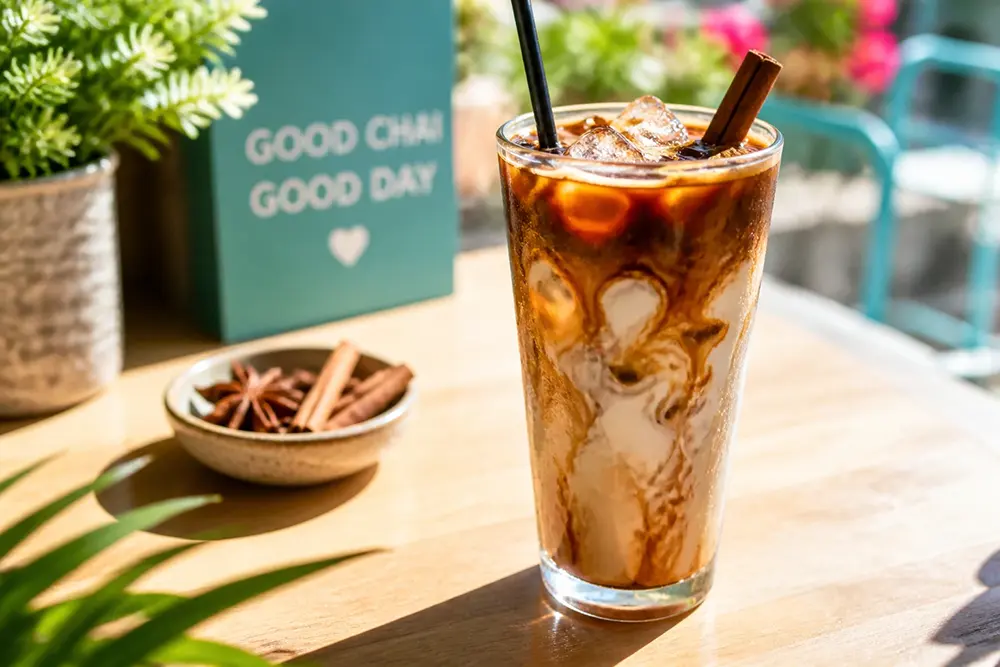
Iced Dirty Chai served with ice cubes and a straw, perfect for summer
Variations Around the World
Dirty Chai has evolved into several creative versions:
1. Iced Dirty Chai
Served over ice with cold milk—perfect for summer. The refreshing spice tones pair well with the crisp coffee bitterness.
2. Double Dirty Chai
Two espresso shots for those who want a robust kick. Especially popular in Australia and the U.S.
3. Vegan or Plant‑Based Dirty Chai
Made with oat, soy, or almond milk; spices stay lively while texture turns silky.
4. Mocha Dirty Chai
Includes a hint of chocolate syrup—bridging three cultures: tea, coffee, and cocoa.
Dirty Chai shares some similarities with other intense, milk‑tea traditions. Our recipe for Karak Tea with Iranian Black Tea offers another flavorful perspective.
Health Benefits (and Considerations)
Dirty Chai offers a balanced mix of comfort and stimulation.
Potential benefits:
– Antioxidants from black tea and spices (especially cardamom and cinnamon)
– Boosted alertness thanks to dual caffeine sources
– Digestive support from traditional chai spices
– Mood enhancement through warm flavours and the act of enjoyment
Still, moderation matters—its caffeine can be substantial. Those sensitive to caffeine might prefer a decaf espresso version.
Sustainability and Ethical Notes
If you love Dirty Chai, you’re part of a broader movement towards cross‑cultural beverage storytelling.
Supporting ethically sourced tea leaves and coffee beans enhances not just flavor but the social impact of every cup.
– Indian chai relies heavily on fair‑trade tea and locally grown spices.
– Espresso beans—often from Africa, South America, or Asia—carry their own sustainability concerns.
A responsibly sourced Dirty Chai represents harmony between worlds—tastes and ethics alike.
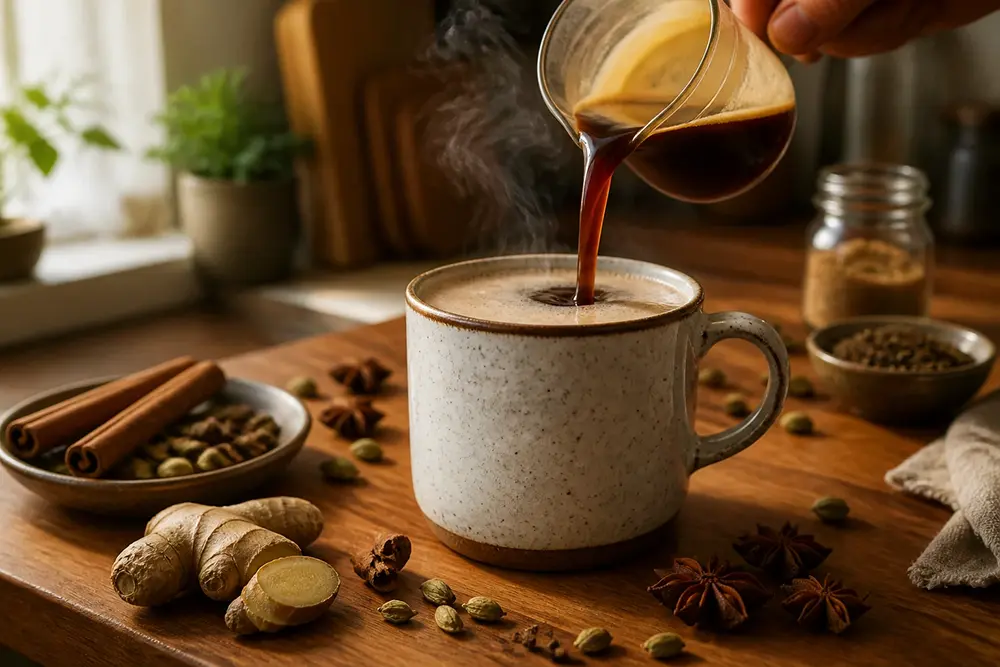
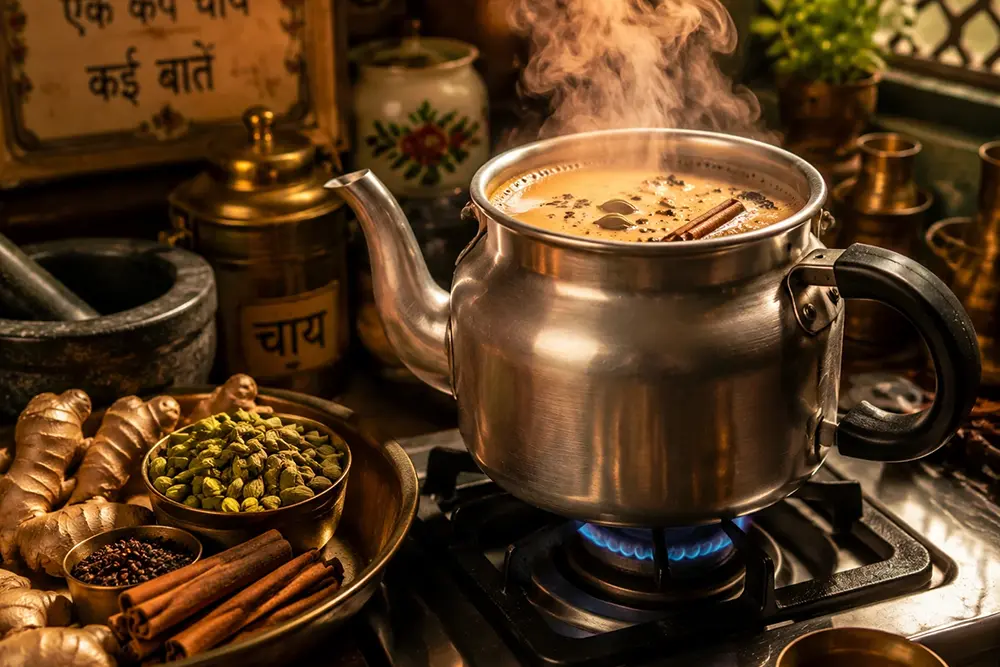
Homemade Dirty Chai with freshly brewed spices and espresso shot
How to Brew a Perfect Dirty Chai at Home
Every café has its own recipe, but at home it’s flexible and fun:
- Prepare strong spiced chai (using black tea and your preferred masala blend).
- Pull or brew a shot of espresso.
- Combine in your cup and top with steamed milk (or plant milk).
- Sweeten gently if desired.
- Stir, inhale, and enjoy—the aroma dances between spice and roast.
Tip: Watch color and scent rather than timing. When it turns deep amber‑brown and smells warmly spiced with coffee edges, it’s ready.
A great dirty chai always starts with a strong Black Tea, which provides the bold base that balances espresso and spices.
Fun Facts You Might Not Know
– The drink originally had no official name; café staff called it “Chai with Coffee.”
– Starbucks and independent cafés helped popularize “Dirty Chai” by name around 1998–2000.
– In Australia, it’s common to find it listed simply as “Chai + Shot.”
– Adding iced coffee cubes instead of espresso is a trendy summer twist in Europe.
Common Questions About Dirty Chai
Does Dirty Chai taste more like tea or coffee?
Neither—its balance is genuinely half‑and‑half. You feel chai’s spice upfront and espresso’s depth in finish.
Can you make a caffeine‑free version?
Yes, by using decaf espresso and rooibos chai blend.
Is it originally Indian or Western?
It’s a global hybrid—chai comes from India, espresso from Italy, and the idea was born in a London coffeehouse.
What makes a good Dirty Chai?
Fresh spices, quality espresso, and careful blending so neither component dominates.
Cultural Significance: A Symbol of Modern Fusion
Dirty Chai is more than a recipe—it’s a metaphor.
It represents how traditions evolve through curiosity. Each sip carries heritage and innovation:
– Indian spice wisdom
– Italian espresso artistry
– Western café creativity
Together they form a story about connection and experimentation.
When you drink Dirty Chai, you participate in that conversation—a small, delicious bridge between worlds.