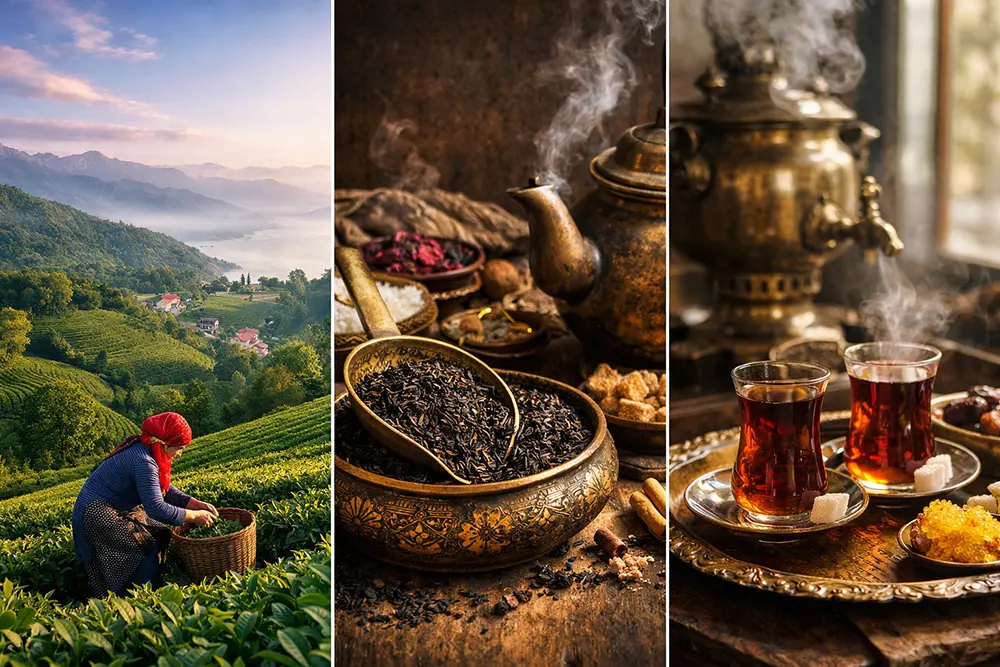

How to Make Karak Tea with Iranian Black Tea

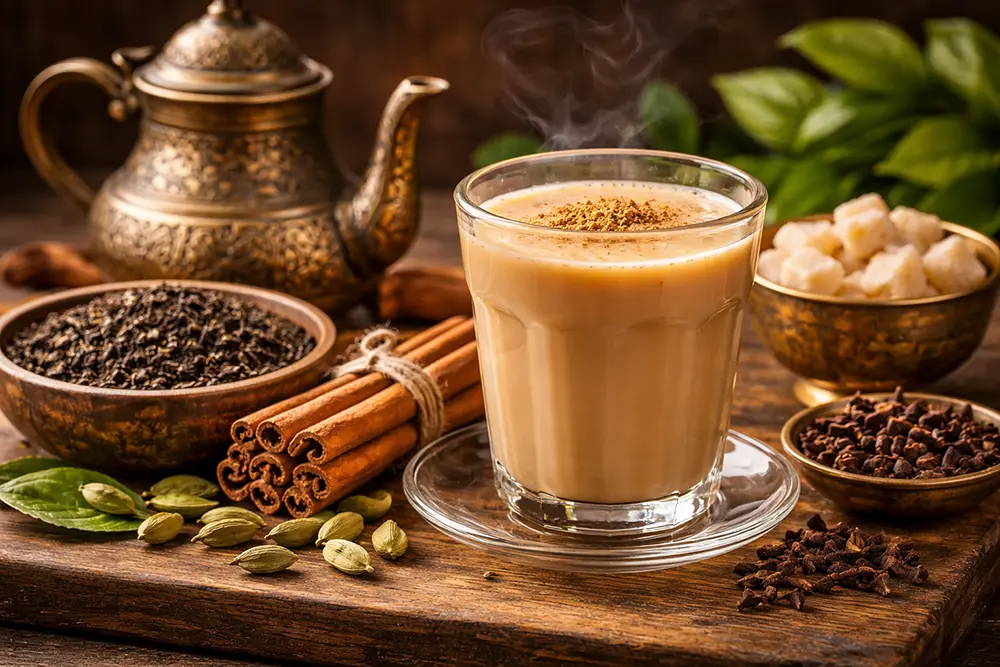
Karak tea — also known as Karak chai — is one of the most beloved milk tea beverages across the Middle East and South Asia. Strong, aromatic, slightly sweet, and richly spiced, it has become a daily ritual in homes, cafés, and street corners alike.
While its roots trace back to the Indian subcontinent, Karak tea has evolved into a regional icon, especially in the Gulf countries. Today, it represents hospitality, warmth, and bold flavor.
In this guide, we explore how to make authentic Karak tea using Iranian black tea — and why its natural aroma makes it an excellent base for this iconic drink.
The Origin of Karak Tea
The word “Karak” comes from “Kadak,” meaning strong in Hindi. The drink originated in India as a variation of masala chai.
During the 20th century, trade and migration carried this strong milk tea to the Gulf region, where it gained immense popularity — particularly in United Arab Emirates and neighboring countries.
Over time, Karak tea developed its own identity:
Stronger concentration More condensed milk or evaporated milk Balanced sweetness Pronounced cardamom aroma
Today, it is not just a beverage — it is part of daily life in many communities.
Karak tea begins with a strong and aromatic base, and using high‑quality [Iranian Black Tea] can bring deeper flavor and natural richness to every cup.
Why Use Iranian Black Tea for Karak?
Karak tea requires a tea base that can:
Withstand boiling with milk Maintain aroma under heat Deliver structure without excessive bitterness Support spices without being overshadowed
Iranian black tea — particularly varieties cultivated in Lahijan — offers several advantages:
Naturally balanced tannins Clean, non-artificial aroma Smooth finish Medium-to-full body
Because it is typically free from synthetic color enhancers, the flavor develops gradually and integrates beautifully with milk and spices.
Instead of harsh bitterness, it produces depth.
Many tea lovers prefer Lahijan tea for Karak because of its natural aroma and clean taste. To understand what makes this origin special, read [Why Lahijan Tea Is Different].
Ingredients for Karak Tea
To prepare traditional Karak tea, you will need:
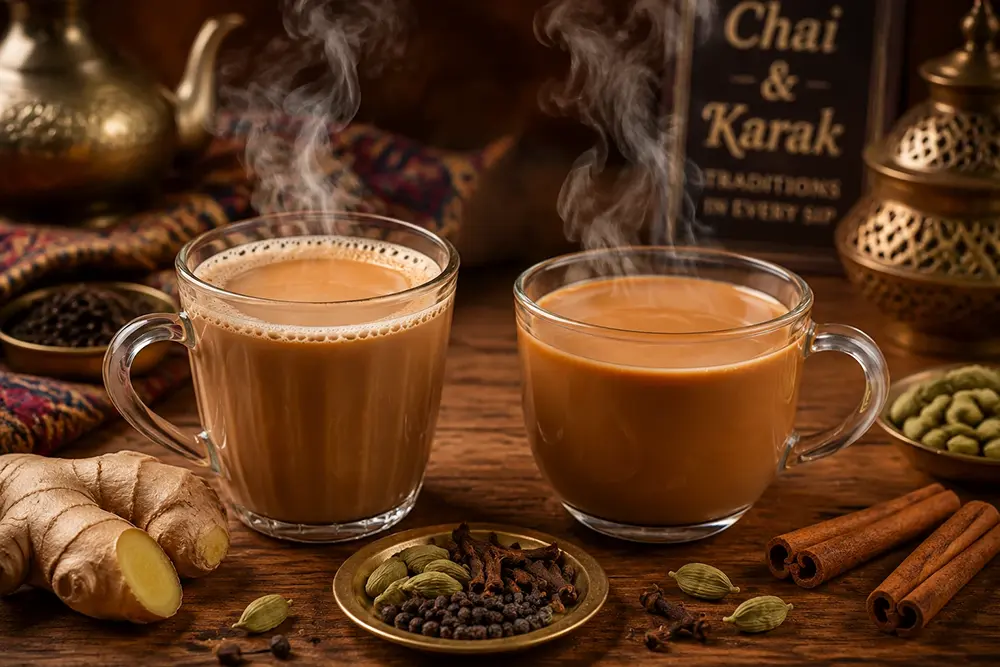
Strong black tea (preferably loose-leaf Iranian black tea) Milk (fresh milk, evaporated milk, or a combination) Cardamom pods Cinnamon stick Cloves Sugar
Optional additions:
Saffron Fresh ginger Condensed milk for extra richness
The beauty of Karak lies in its flexibility. Each household may adjust sweetness and spice intensity according to preference.
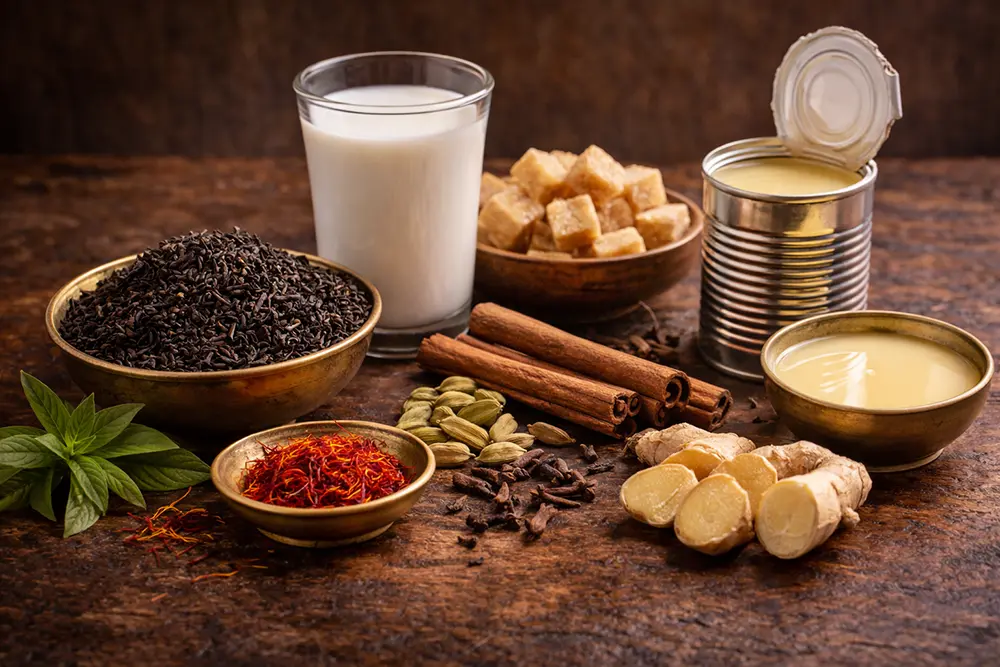
To make authentic Karak, always start with a strong Black Tea from Lahijan for the perfect backbone.
Step-by-Step: How to Make Karak Tea
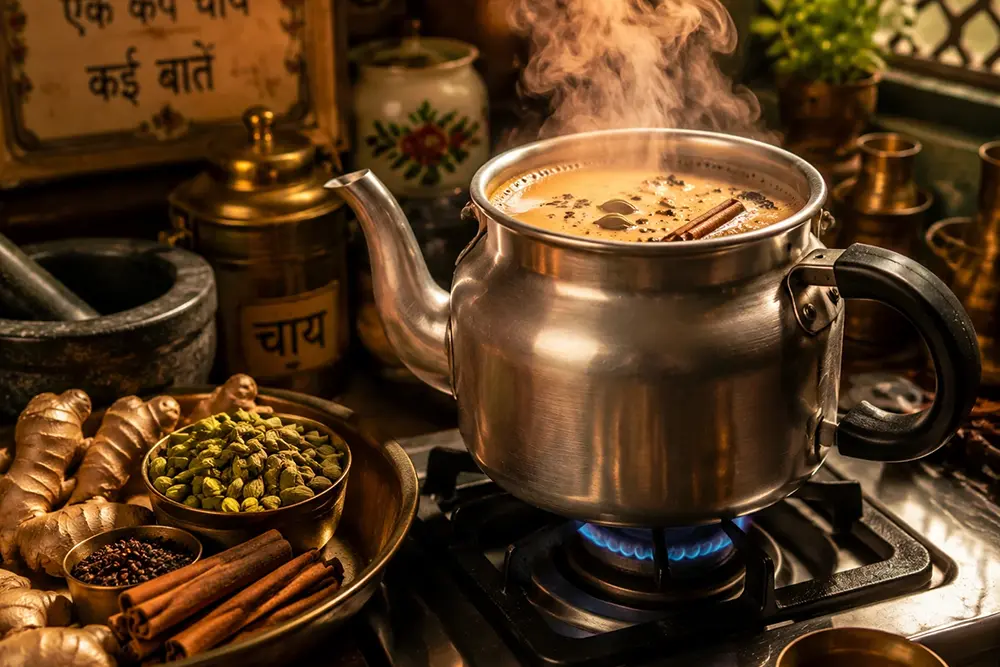
1. Boil Water and Spices
Start by adding water to a saucepan over medium heat.
Lightly crush the cardamom pods to release their aroma. Add:
Cardamom Cinnamon Cloves
Allow the spices to simmer for several minutes. This step extracts essential oils and builds the aromatic base.
2. Add the Black Tea
Once the spices have infused the water, add the Iranian black tea.
Unlike delicate teas, Karak requires a strong infusion. The tea should simmer long enough to develop deep color and robust flavor.
Because Iranian black tea releases its character gradually, allow adequate time for it to unfold fully.
3. Incorporate Milk
Add milk directly into the simmering tea mixture.
Some prefer equal parts milk and water; others use less milk for a stronger tea-forward flavor.
The mixture should continue simmering gently. This stage is essential — prolonged simmering allows the milk, tea, and spices to integrate completely.
4. Sweeten to Taste
Add sugar according to preference.
Traditional Karak tea tends to be moderately sweet, though modern variations may adjust sweetness levels.
Stir thoroughly until the sugar dissolves.
5. Simmer and Strengthen
Allow the mixture to simmer until it reaches a rich caramel tone.
This simmering process thickens the texture slightly and deepens the flavor.
Patience is key — Karak tea is not rushed.
6. Strain and Serve
Strain the tea into cups to remove tea leaves and spices.
Serve hot.
The aroma should be bold yet smooth, with visible creaminess and a warm spice fragrance.
The Flavor Profile of Karak Tea
When prepared properly with high-quality black tea, Karak offers:
Color: Deep caramel brown
Aroma: Cardamom-forward with warm spice
Taste: Strong, creamy, lightly sweet
Texture: Smooth and slightly thick
Finish: Lingering warmth
The black tea backbone remains present — supporting the milk rather than disappearing into it.
The flavor of Karak tea also depends on the quality of the tea leaves. Much of that character comes from the harvest season, especially the early picking described in [The Spring Harvest of Lahijan Tea: From Tender Leaves to a Patiently Brewed Cup].
Why Natural Aroma Matters
In milk-based tea recipes, the quality of the base tea becomes even more important.
Artificially intensified teas may produce:
Harsh bitterness Metallic aftertaste Overpowering tannins
Naturally processed Iranian black tea, by contrast:
Maintains clarity Blends harmoniously with dairy Enhances spice notes Prevents flavor imbalance
The result is a Karak tea that tastes rich — not aggressive.
Cultural Significance of Karak Tea
In the Gulf region, Karak tea is often:
Shared during social gatherings Served in small paper cups at street stalls Enjoyed during work breaks Offered to guests as a sign of hospitality
It symbolizes warmth and community.
Though its origin traces back to India, its modern identity is deeply rooted in Gulf culture — especially in United Arab Emirates.
This cultural blending reflects how tea transcends borders.
Variations of Karak Tea
While the traditional version remains dominant, several variations exist:
Saffron Karak — Adds delicate floral luxury and golden color.
Ginger Karak — Introduces a spicy, warming kick.
Light Karak — Less sweet, more tea-forward.
Iced Karak — A modern twist, served chilled in some urban cafés.
The versatility of the base tea determines how well these variations perform.
Health Considerations
Karak tea contains:
Caffeine (moderate to strong) Dairy fat (depending on milk type) Sugar (adjustable) Antioxidants from black tea
When enjoyed in moderation, it can:
Provide energy Offer warmth Support alertness
However, because it is often sweetened and milk-based, portion awareness is advisable for those monitoring sugar intake.

Why Karak Tea Is Popular Globally
Karak tea appeals internationally because it combines:
Strength Comfort Sweetness Spice Creaminess
It satisfies coffee drinkers seeking richness while offering the complexity of spiced tea.
For export-focused tea brands, Karak presents a major opportunity — especially in regions where milk tea consumption is growing.
Final Thoughts
Karak tea is more than a recipe. It is a cultural bridge between South Asia and the Gulf — a drink that evolved through migration, trade, and shared tradition.
When prepared with high-quality Iranian black tea, it gains an additional layer of authenticity and balance.
The natural aroma of the tea supports the spices.
The structure withstands milk.
The finish remains smooth.
Strong — yet refined.
And like all great tea rituals, it rewards patience.
If you enjoy experimenting with tea flavors, you might also appreciate the refreshing simplicity of [Mint Tea: Cool Comfort in a Warm Cup], a soothing herbal companion to spiced Karak tea.