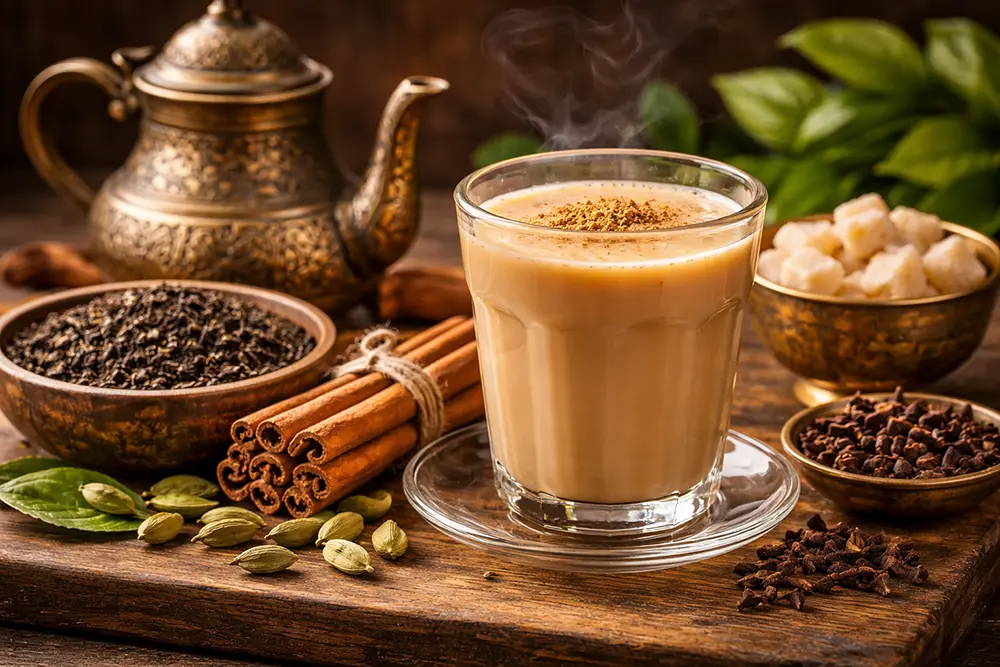

Chai Latte- A Creamy, Spiced Classic Loved Around the World

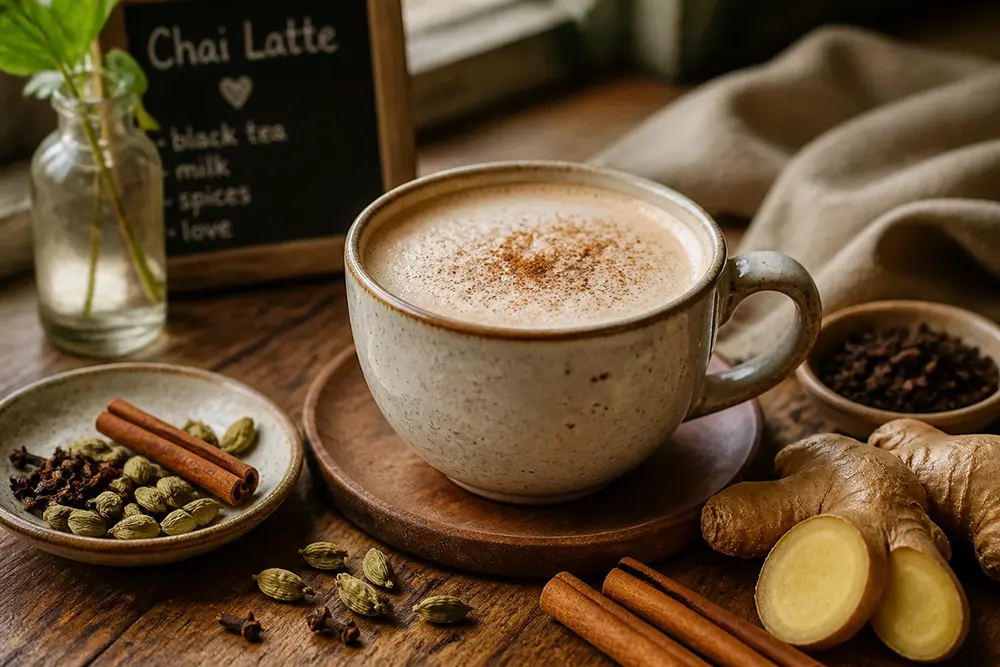
There are drinks that simply taste good, and there are drinks that feel like comfort. Chai latte belongs firmly in the second group. Warm, creamy, gently sweet, and layered with spices, it has become one of the most beloved tea-based drinks in cafés around the world.
At first glance, chai latte may look like just another milk tea. But anyone who has tasted it knows there is more going on inside the cup. The aroma is richer, the flavor more layered, and the overall experience more nostalgic than ordinary tea with milk. It is the kind of drink that can feel both familiar and luxurious at the same time.
Today, chai latte is found everywhere — from specialty tea shops to global coffee chains. It has crossed cultural borders, adapted to modern café menus, and become a daily favorite for people who want something soothing but not boring. To understand why it is so popular, it helps to look at where it came from, what it tastes like, and how it differs from similar drinks.
What Is a Chai Latte?
A chai latte is a tea-based drink made by combining strong black tea, warming spices, milk, and usually some form of sweetener. In café settings, it is often prepared using a chai concentrate or a spiced tea base, then finished with steamed or frothed milk.
The drink takes inspiration from traditional masala chai, the spiced tea of South Asia, but it has been adapted into a smoother, creamier, barista-style beverage. This modern version is what most people today recognize as chai latte.
The word itself is simple. “Chai” means tea in several languages, while “latte” refers to milk. So the phrase literally suggests tea with milk, but in modern usage it points specifically to a spiced, creamy tea drink with a café-style character.
The Cultural Roots of Chai Latte
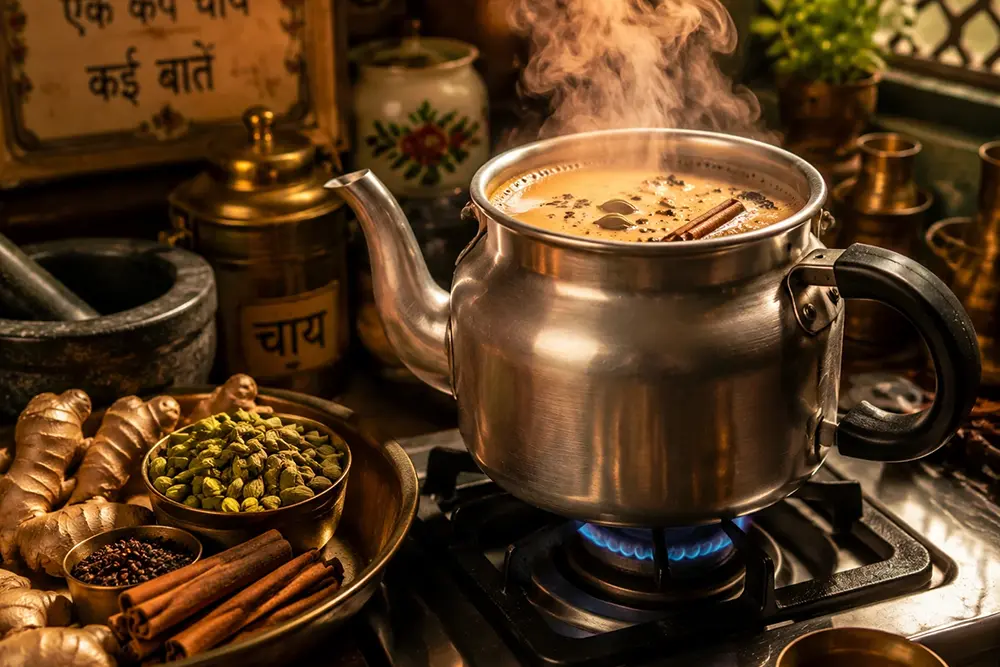
To really understand chai latte, you have to begin with masala chai. In South Asia, tea is often brewed with milk, sugar, and spices such as cardamom, cinnamon, ginger, cloves, and black pepper. The result is bold, fragrant, and deeply comforting.
This traditional drink has been part of daily life for generations. It is served at home, offered to guests, shared in tea stalls, and enjoyed as a familiar pause in the day. The recipe changes from region to region and from family to family, but the feeling it creates is always similar: warmth, hospitality, and routine.
Chai latte is the café adaptation of that tradition. It keeps the spice, the milk, and the comfort, but presents them in a smoother, more modern format. That is one reason it has traveled so well across cultures. It feels rooted in tradition, yet easy to love in a contemporary setting.
Why Chai Latte Became So Popular
One reason chai latte stands out is its flavor. It is not as sharp as black coffee, not as simple as plain tea, and not as heavy as a dessert drink. It sits neatly in the middle. The spices give it depth, the milk gives it softness, and the sweetness makes it approachable.
Another reason is versatility. Chai latte can be served hot or iced, sweetened or lightly spiced, dairy-based or plant-based. It fits into many lifestyles and preferences, which is part of its broad appeal.
It also has a strong emotional quality. Many people associate chai latte with comfort, calm mornings, rainy afternoons, cozy cafés, and seasonal rituals. In an age where drinks are often chosen for both taste and mood, chai latte delivers both.
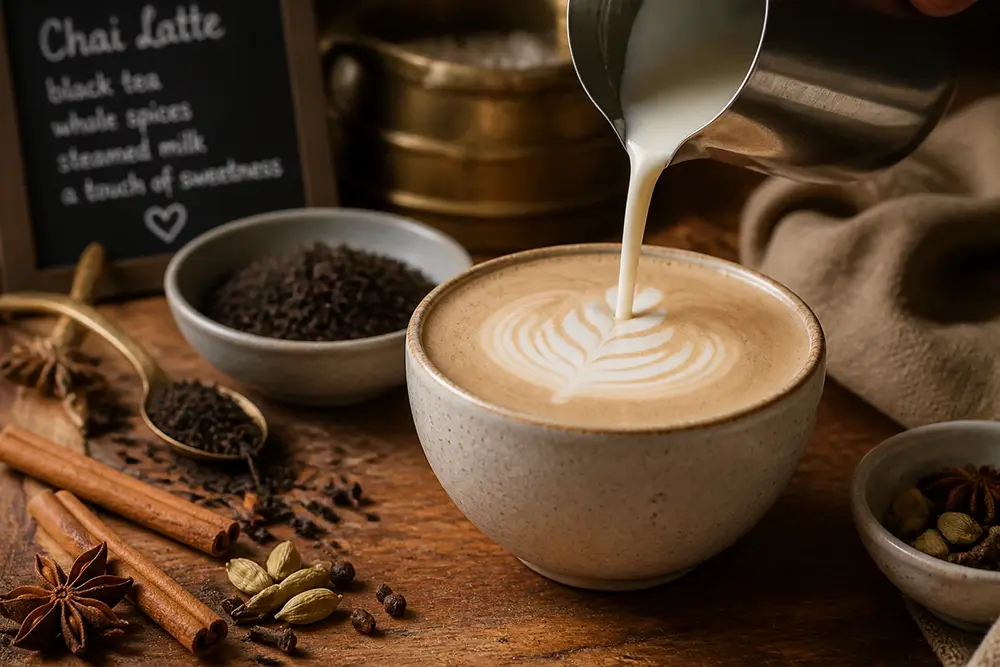
Steamed milk being poured into a spiced tea base to create a smooth and velvety chai latte.
Flavor Profile: What Does Chai Latte Taste Like?
The flavor of chai latte is warm, aromatic, and layered. The black tea gives it structure and a slight tannic edge. The spices bring complexity. The milk softens everything and creates a smooth finish.
The most common spice notes include:
– cinnamon
– cardamom
– ginger
– cloves
– black pepper
– star anise
– nutmeg
– vanilla in some versions
Depending on the recipe, chai latte can lean more sweet, more spicy, or more creamy. A good version usually has balance. You should taste the tea first, then the spice blend, and finally the soft roundness of milk on the finish.
Chai Latte vs. Masala Chai
Though they are closely related, chai latte and masala chai are not exactly the same.
Masala chai is usually more traditional and often made by boiling tea, water, milk, sugar, and spices together. It tends to taste more rustic and direct, with a stronger spice presence.
Chai latte, by contrast, is usually prepared in a café format. It may use concentrates, syrups, or pre-blended spices, and the milk is often steamed or frothed separately. The result is smoother, lighter in texture, and more in line with modern latte culture.
If masala chai feels like a home-cooked classic, chai latte feels like its polished café cousin.
Chai Latte vs. Dirty Chai
This is where one of the most interesting comparisons begins.
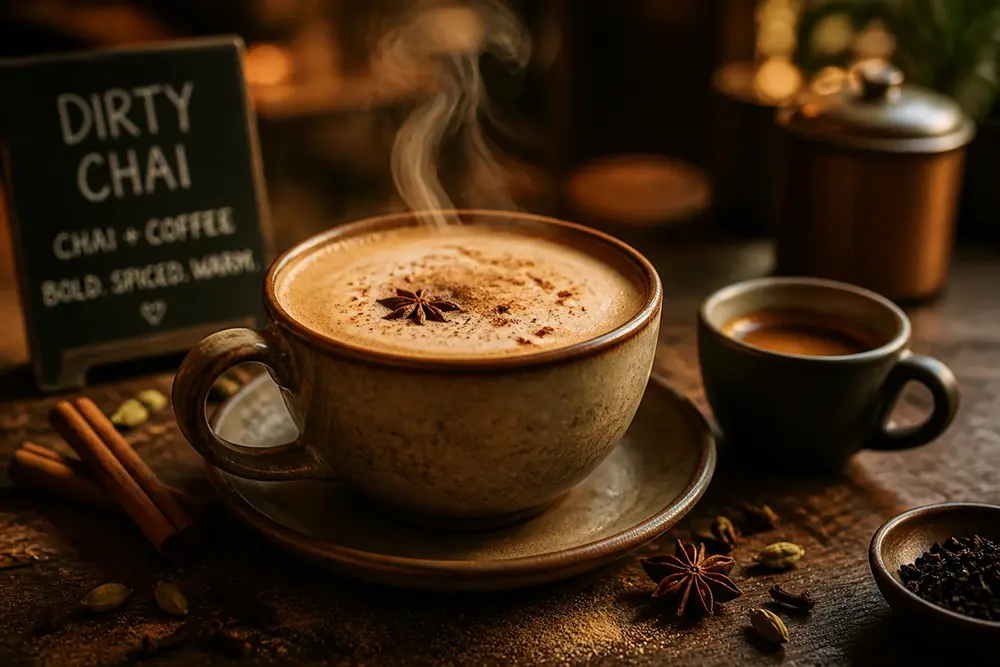
A chai latte is built on tea, spices, milk, and sweetness. A dirty chai takes that same base and adds espresso. That one addition changes the drink dramatically. It makes the flavor deeper, slightly more roasted, and much more caffeinated.
So if chai latte is the soft, comforting version, dirty chai is the bold, energized one.
If you enjoy drinks that bridge tea and coffee, you may also love our guide to Dirty Chai.
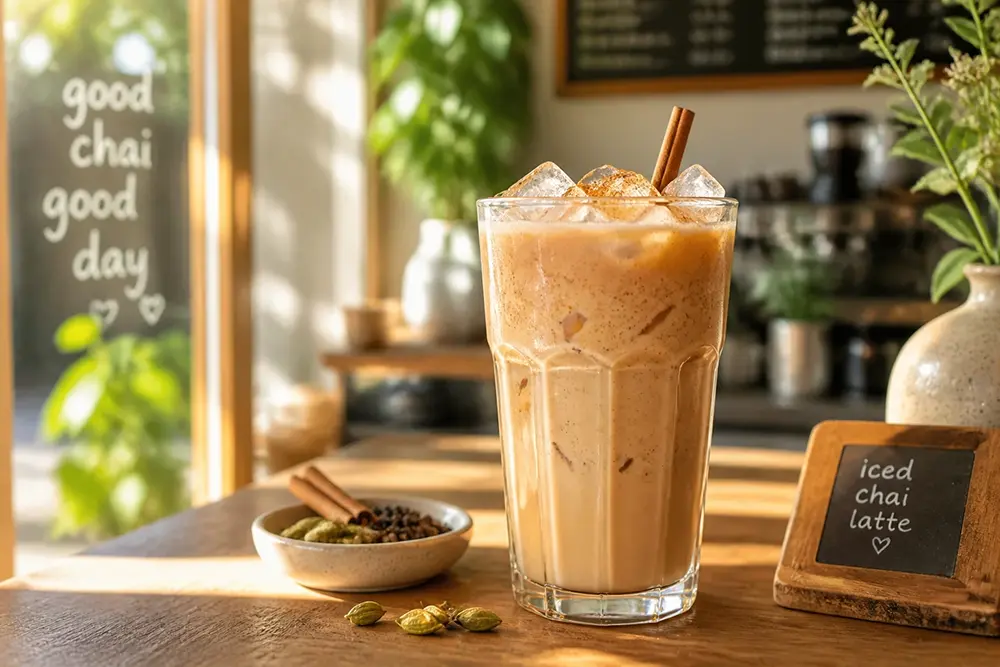
Iced chai latte served with a refreshing blend of spices, perfect for warm weather.
Variations of Chai Latte
One of the reasons chai latte has remained so popular is that it can be customized in many ways.
Classic Chai Latte
This is the standard version: black tea, spices, milk, and sweetness. It is smooth, balanced, and widely loved.
Iced Chai Latte
A chilled version served over ice. It is especially refreshing in warmer weather while keeping the same spice-forward personality.
Vanilla Chai Latte
A softer, sweeter version with added vanilla notes. This variation is especially popular in café chains.
Spicier Chai Latte
For those who prefer more kick, some versions emphasize ginger, black pepper, or cardamom.
Vegan Chai Latte
Plant-based milks such as oat, almond, or soy can replace dairy. Oat milk is often the most popular option because of its creamy texture.
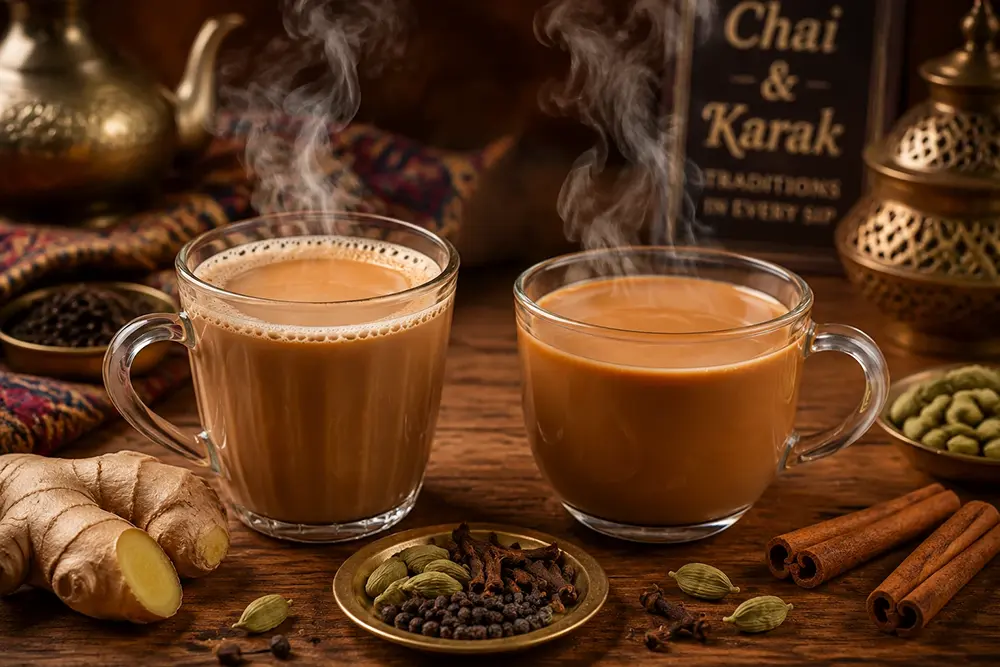
If you like rich, spiced milk tea traditions, you may also enjoy How to Make Karak Tea with Persian Black Tea.
How Chai Latte Is Made
Since your site prefers a more sensory and professional style rather than exact timing, this section focuses on cues instead of numbers.
A good chai latte begins with a strong tea base. The tea should look deep and aromatic, with a color that signals fullness rather than weakness. The spice blend should smell warm and inviting before the milk is even added.
The milk is then steamed or frothed until it becomes smooth and silky. When the two are combined, the drink should turn a rich tan color, with the spices rising gently through the steam. A well-made chai latte is not just mixed; it feels layered.
The key is balance. The tea should not disappear, the spices should not overwhelm, and the milk should not flatten the drink. Everything should support everything else.
Caffeine Content
Chai latte usually contains less caffeine than coffee but more than many herbal teas. The exact amount depends on the tea used and how strong the base is, but a typical cup often falls around 40–60 mg of caffeine.
That makes it a good choice for people who want a gentle lift without the stronger push of espresso drinks.
Health and Comfort Benefits
While chai latte is not a medicine, it does carry some feel-good qualities.
The spices often used in chai are traditionally associated with comfort and digestion. Ginger and cinnamon are especially known for their warming presence. Black tea provides a moderate caffeine boost and a sense of alertness. The drink as a whole often feels soothing, especially when served warm.
For many people, the biggest benefit is not technical at all. It is ritual. Chai latte creates a pause, a quiet moment, and a sense of ease.
What to Pair with Chai Latte
Chai latte pairs beautifully with foods that complement its spice and creaminess.
Some great options include:
– buttery cookies
– cinnamon rolls
– cardamom cake
– dark chocolate desserts
– date-based sweets
– shortbread
– lightly spiced pastries
The best pairings are usually sweet, soft, and warm in flavor.
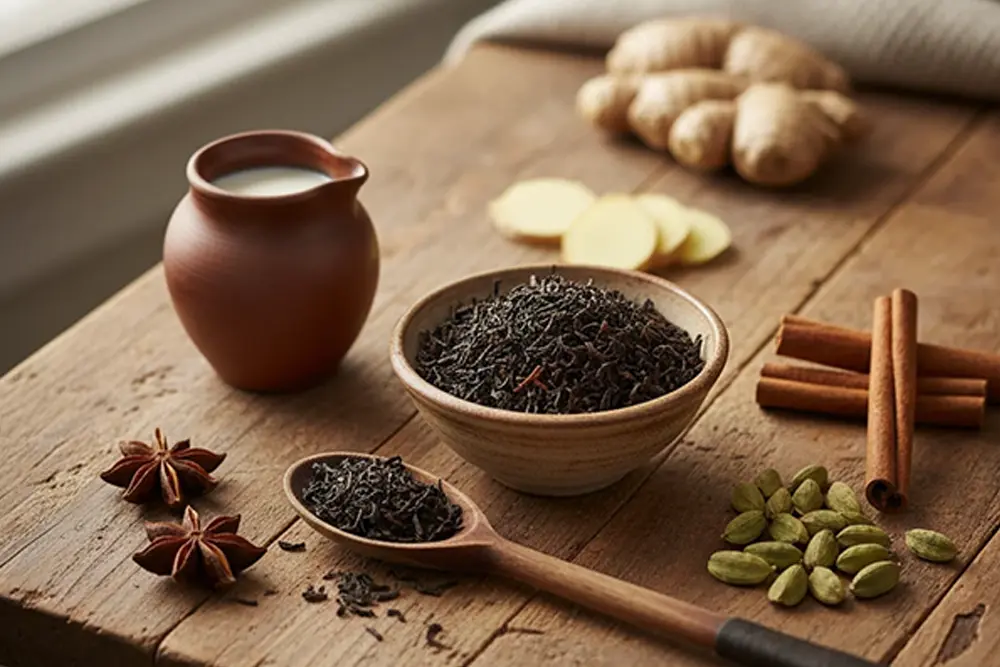
Quality ingredients make all the difference in a balanced chai latte — from bold black tea to fresh spices and creamy milk.
How to Choose Good Ingredients
If you make chai latte at home or buy ingredients for it, quality matters.
A strong black tea base gives the drink backbone. Assam is a classic choice, but other bold black teas can work well too. Fresh spices usually taste better than artificial flavoring. If using milk, choose one that gives the texture you want — full-fat dairy for richness or oat milk for a creamy plant-based version.
The better the ingredients, the more the drink will feel balanced rather than overly sweet or artificially flavored.
Start with a bold Black Tea for your chai latte base — it brings harmony and natural strength.
Chai Latte in Café Culture
Chai latte has become more than a drink; it has become part of the modern café language. It appears on menus around the world, often sitting beside lattes, cappuccinos, and matcha drinks as a familiar comfort option.
Its success lies in the way it bridges traditions. It connects South Asian tea culture with global café habits. It feels both classic and current, which is a rare balance.
Conclusion
Chai latte is a drink with warmth, history, and broad appeal. It brings together tea, spices, milk, and sweetness in a way that feels familiar yet elevated. Whether you drink it hot on a quiet morning or iced on a warm afternoon, it offers comfort in a cup.
Its popularity is not accidental. Chai latte works because it is flavorful without being harsh, cozy without being dull, and flexible without losing its identity. In a world full of quick drinks, it still manages to feel intentional.
Common Questions About chai latte
What is a chai latte?
A chai latte is a spiced tea drink made with black tea, milk, sweetener, and warming spices such as cinnamon, cardamom, and ginger.
Is chai latte the same as masala chai?
Not exactly. Masala chai is the traditional South Asian version, while chai latte is a café-style adaptation that is usually smoother and more milk-forward.
Does chai latte contain caffeine?
Yes. It usually contains moderate caffeine from black tea, though less than coffee.
What does chai latte taste like?
It tastes warm, creamy, lightly sweet, and spiced, with notes of cinnamon, cardamom, ginger, and cloves.
Can chai latte be made without dairy?
Yes. Oat milk, almond milk, and soy milk are all common non-dairy options.
What is the difference between chai latte and dirty chai?
Dirty chai is a chai latte with espresso added, which makes it stronger and more caffeinated.
Is chai latte served hot or cold?
Both. It can be enjoyed as a hot drink or as an iced chai latte.