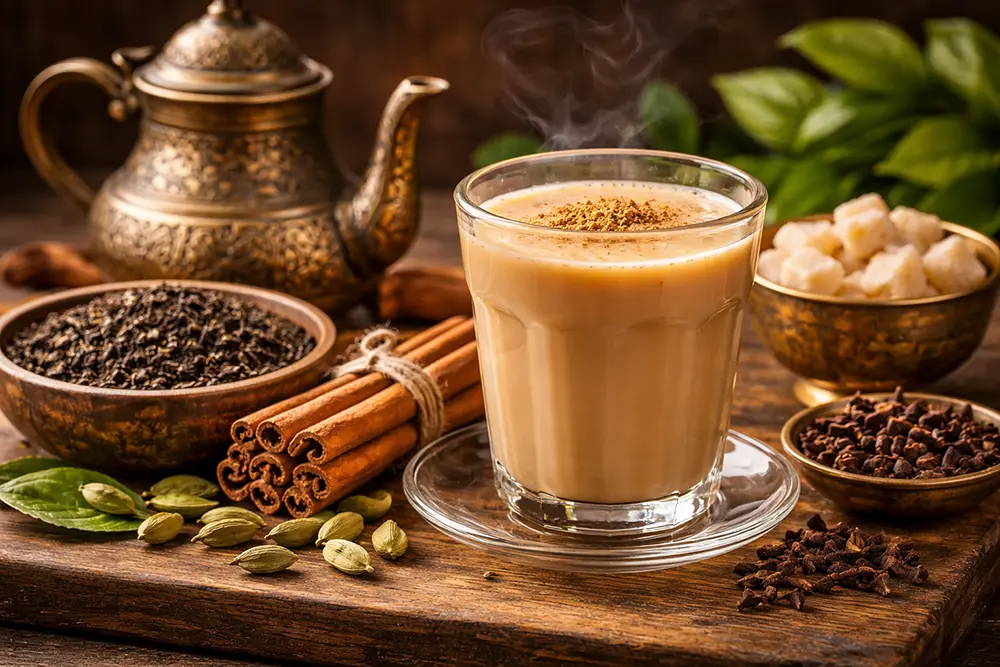

Masala Chai: The Story, Flavor & Culture Behind India’s Spiced Tea

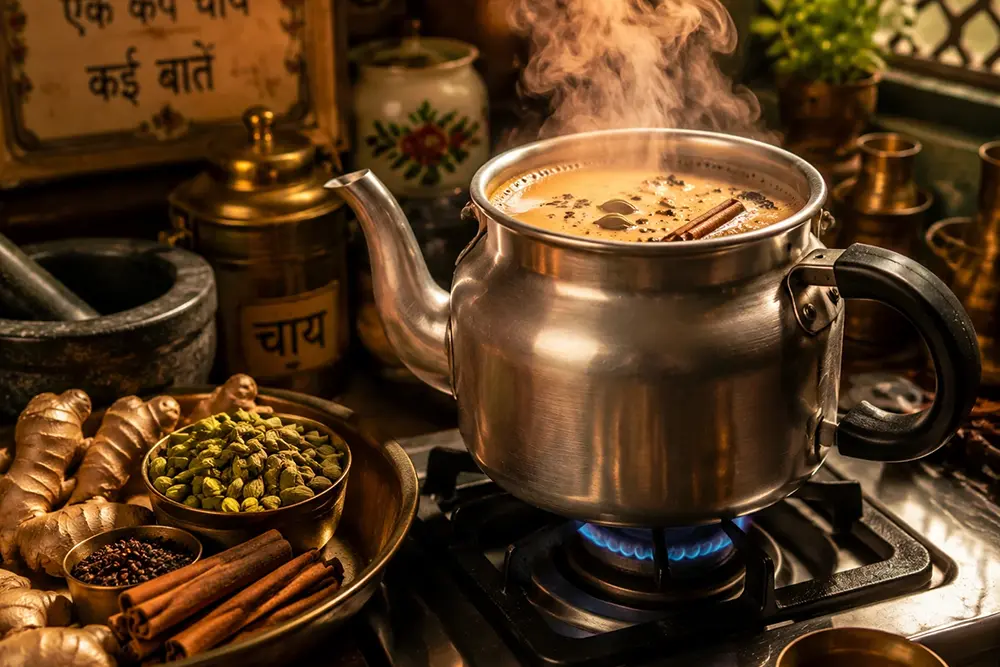
Masala Chai is more than a tea.
It is a cultural ritual, a morning wake‑up call, an afternoon comfort, and one of the most recognizable flavors of the Indian subcontinent. Today, it has become a global symbol of warmth and spice—yet its roots stretch deep into centuries of tradition, trade, medicine, and storytelling.
In this article, we explore the history, flavor profile, varieties, brewing methods, cultural significance, and modern twists of Masala Chai. Whether you’re a beginner or a long‑time chai lover, this guide will help you understand exactly why this iconic drink has captured the world’s attention.
What Is Masala Chai?
Masala Chai is a blend of black tea, milk, sweetener, and a mixture of aromatic spices. The word “chai” simply means “tea,” while “masala” refers to a spice blend. Together, they create a drink that is bold, creamy, warming, and deeply fragrant.
A traditional cup combines:
– Strong black tea (Lahijan Black tea)
– Milk (often whole milk)
– Sweetener (sugar or jaggery)
– A spice mix, typically including cardamom, ginger, cinnamon, cloves, pepper, or star anise
Every household in India has its own version, passed down from family to family. And every cup tells a story.
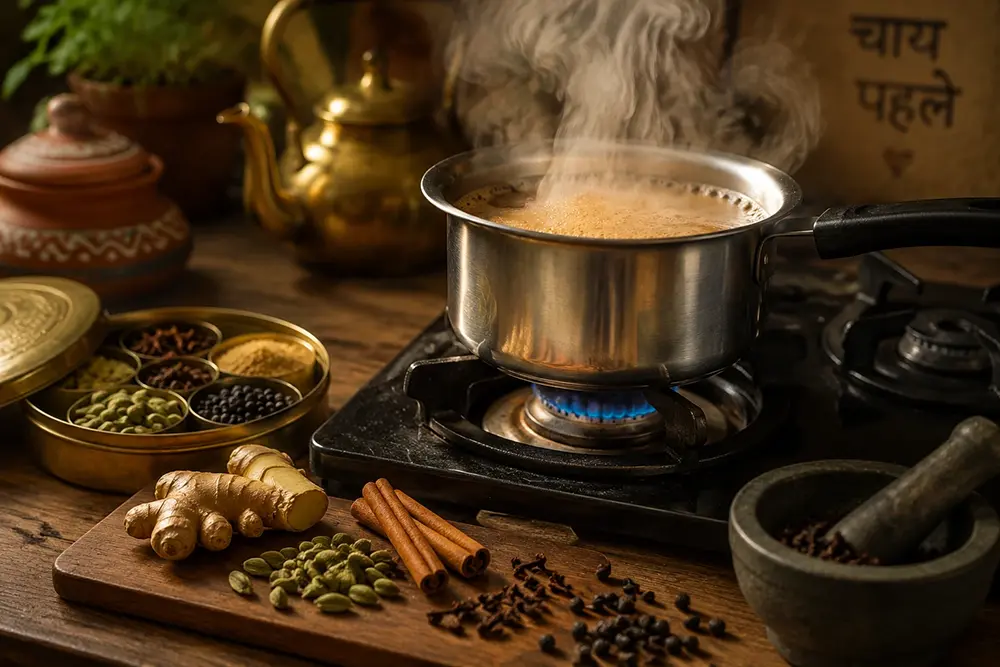
Brewing authentic Masala Chai on the stove — where spices and strong tea unite in perfect harmony
A Brief History of Masala Chai
While tea cultivation in India expanded in the 1800s, the concept of adding spices and milk predates commercial tea culture. Origins can be traced to:
Ayurveda
Spices like ginger and cardamom were historically used for digestive, warming, and immune‑supporting benefits.
Colonial Tea Influence
During British expansion, tea production in Assam shaped the modern preparation using black tea as the base.
Street Vendors (Chaiwallahs)
By the mid‑20th century, chaiwallahs popularized the modern Masala Chai we know today—milky, sweet, spicy, and irresistibly aromatic.
Today, Masala Chai is found everywhere—from train stations and home kitchens to specialty cafés and global coffee chains.
What Does Masala Chai Taste Like?
Masala Chai is a harmonious blend of:
– Warm spices
– Creamy sweetness
– Deep tea richness
The primary flavor drivers:
1. Cardamom — the signature aroma
Sweet, floral, and unmistakably characteristic.
2. Ginger — spicy and warming
Adds heat, brightness, and digestive benefits.
3. Cinnamon — cozy and round
Brings sweetness and warmth.
4. Black pepper — subtle heat
Gives chai its gentle bite.
5. Strong black tea
Provides the essential backbone that balances all spices.
This balance of creamy, spicy, sweet, and robust flavors is what makes Masala Chai universally beloved.
Masala Chai vs Chai Latte vs Dirty Chai
Masala Chai is often confused with other tea‑and‑spice drinks. Here’s how it differs:
Masala Chai
Made by boiling tea, milk, spices, and sweetener together.
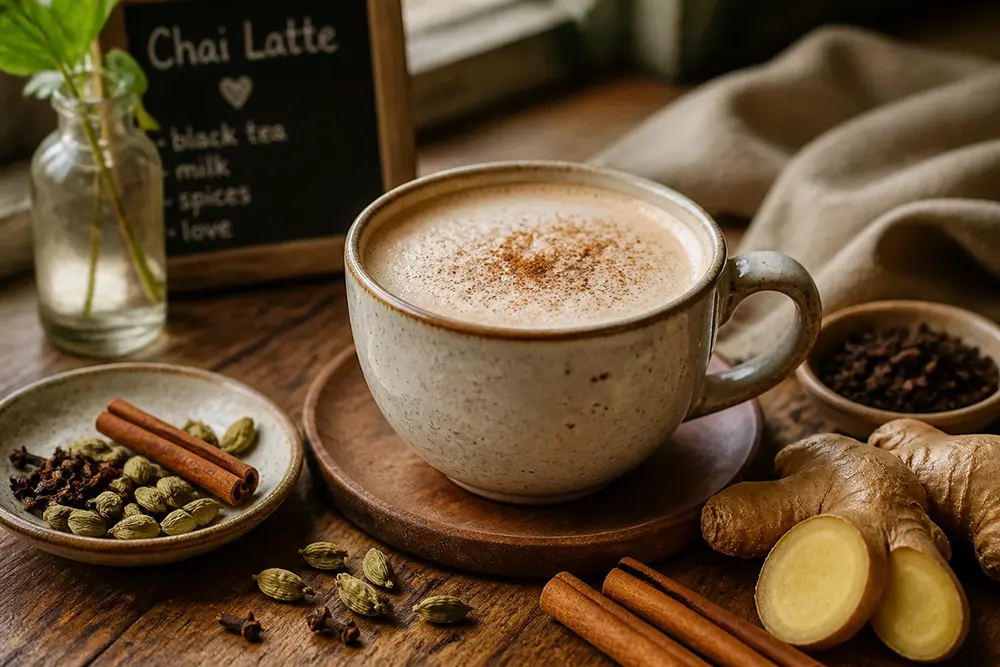
Chai Latte
A café‑style drink made with steamed milk and chai concentrate.
(Similar but smoother and less spicy.)
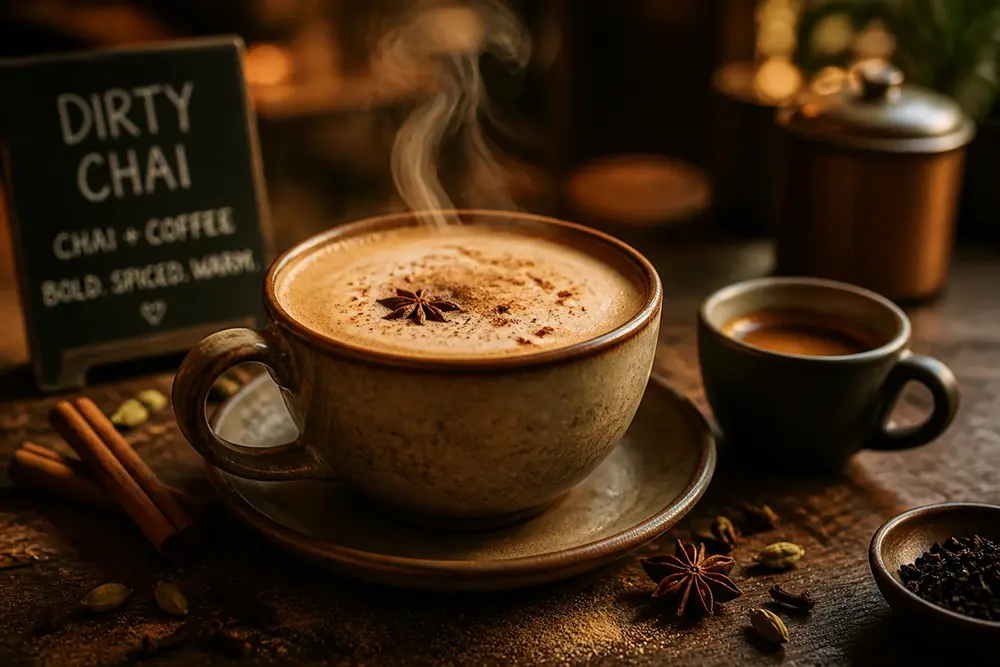
Dirty Chai
A chai latte + one shot of espresso.
If you’re interested in how tea and espresso blend together, our article “Dirty Chai: Where Tea Meets Espresso in a Bold Cultural Blend” explores the pairing in much more depth.
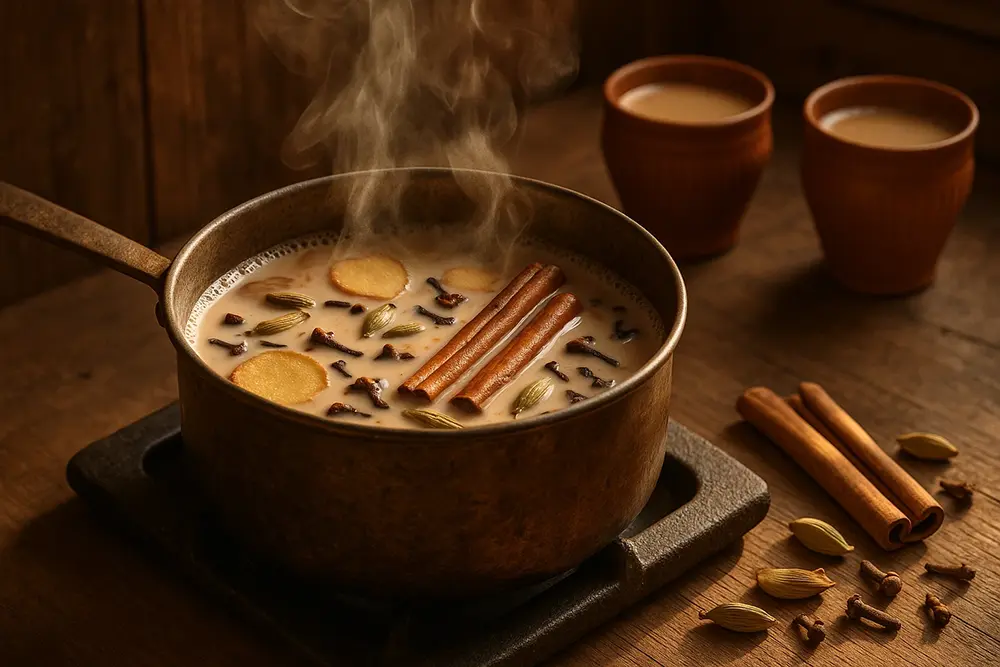
Health Benefits of Masala Chai
Masala Chai ingredients each offer unique properties:
– Black tea: antioxidants and energizing natural caffeine
– Ginger: digestive and anti‑inflammatory benefits
– Cardamom: supports metabolism and breathes fresh aroma
– Cinnamon: helps balance sweetness and warmth
– Cloves: antibacterial and immune‑boosting properties
– Black pepper: enhances nutrient absorption
Together, they create a warming, nourishing beverage enjoyed across seasons.
-Essential Ingredients for Authentic Masala Chai
To make truly good Masala Chai, you need:
1. A strong black tea
This is the foundation.
For best results, always start with a bold Black Tea that can stand up to milk and spices.
2. Fresh whole spices
Not powdered. Whole spices deliver better aroma and cleaner flavor.
3. Milk
Whole milk is traditional and produces a creamy, luxurious body.
4. Sweetener
Sugar, honey, or jaggery—depends on personal preference.
5. Optional additions
– Nutmeg
– Star anise
– Fennel
– Saffron
– Bay leaf
These aren’t required but often used creatively in regional recipes.
How to Brew Masala Chai at Home
This method follows traditional Indian preparation and yields a strong, balanced, aromatic cup.
1. Prepare your spice mix
Gently crush:
– 3–4 cardamom pods
– 1 small cinnamon stick
– A few peppercorns
– A slice of ginger
2. Boil spices in water
Simmer for 2–3 minutes until fragrant.
3. Add black tea
Add 1–2 teaspoons of strong black tea leaves.
4. Add milk
Pour in milk and bring the mixture to a strong boil.
5. Add sweetener
Stir in sugar or jaggery.
6. Strain and serve hot
Creamy, spicy, and instantly comforting.
Regional Variations of Masala Chai
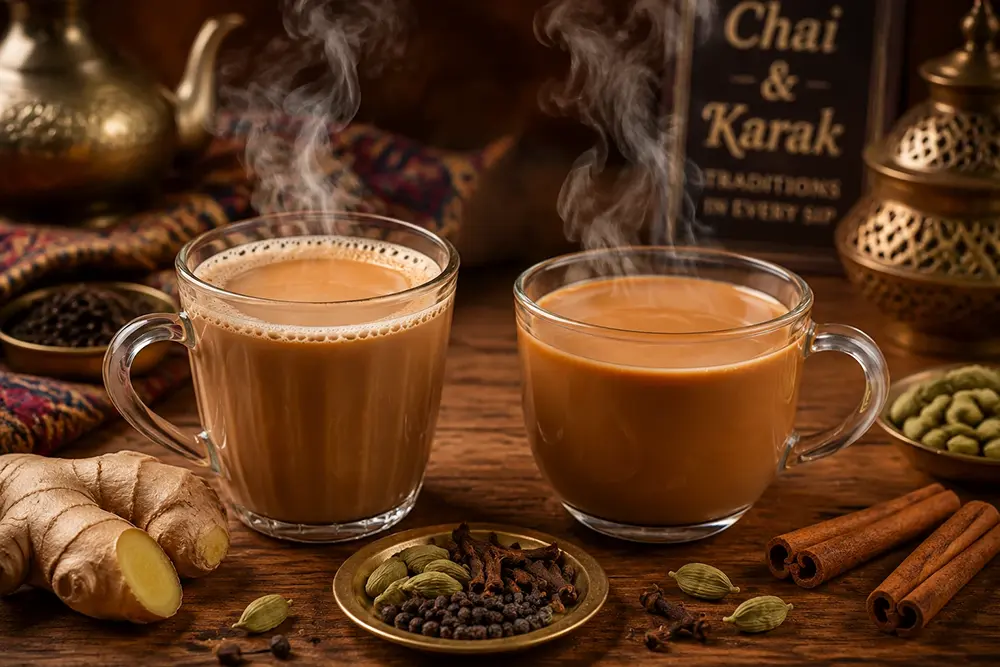
1. Mumbai Cutting Chai
Served in small glasses, strong and highly aromatic.
2. Kolkata Chai
Milder spice profile, served in clay cups called “bhars”.
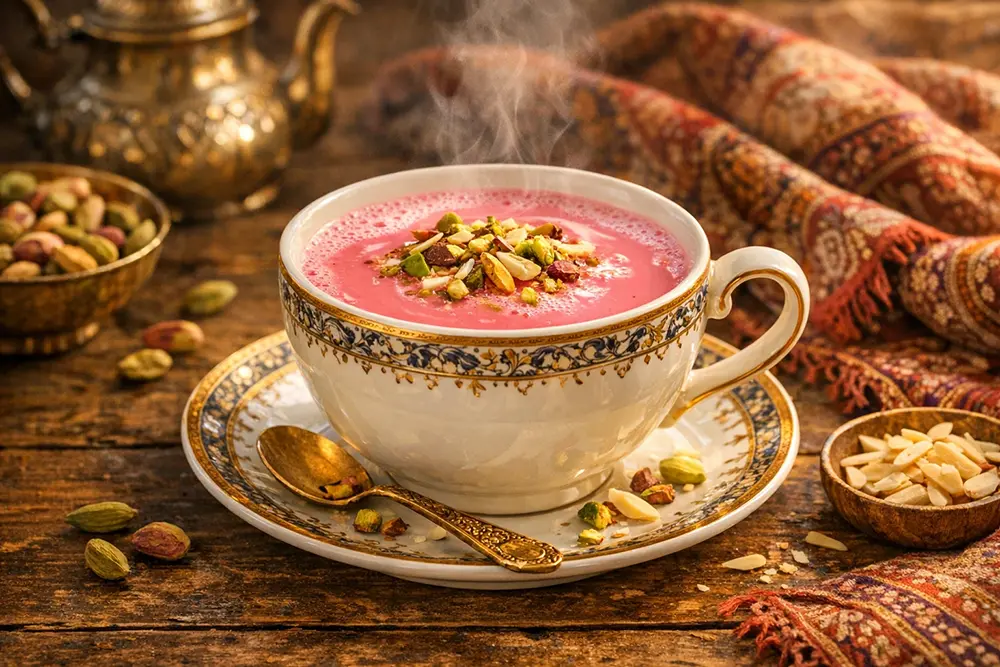
3. Kashmiri Chai (Noon Chai)
Contains salt and baking soda, turning it naturally pink.
4. Gujarati Chai
Sweeter, with extra milk.
5. South Indian Chai
Often includes a hint of nutmeg or clove.
Each version reflects local flavors, weather, and cultural traditions.
Cultural Significance of Masala Chai
Masala Chai is embedded everywhere in South Asian life:
– Morning wake‑ups
– Office breaks
– Train journeys
– Family gatherings
– Street‑side conversations
– Festivals and ceremonies
It has become a social glue—an invitation to pause, talk, and connect.
In many ways, Masala Chai carries the same rooted authenticity as Iranian teas.
To explore what makes Iran’s tea culture unique, the article “Why Lahijan Tea Is Different” offers an insightful comparison.
Modern Twists on Masala Chai
Masala Chai continues to inspire new variations, including:
– Iced Masala Chai
– Vanilla Masala Chai
– Rose Masala Chai
– Chocolate‑infused Chai
– Masala Chai Latte
– Masala Chai Concentrates
– Vegan or dairy‑free chai
Yet at its heart, the traditional stovetop version remains unmatched.
How to Choose Good Ingredients for Masala Chai
1. Choose strong black tea
The tea must be rich, robust, and able to carry the spices.
For best results, start with a premium Black Tea that gives body, structure, and natural depth.
2. Choose fresh spices
Old spices lose aroma and make chai taste flat.
3. Avoid artificial flavorings
Natural whole ingredients always taste better and more balanced.
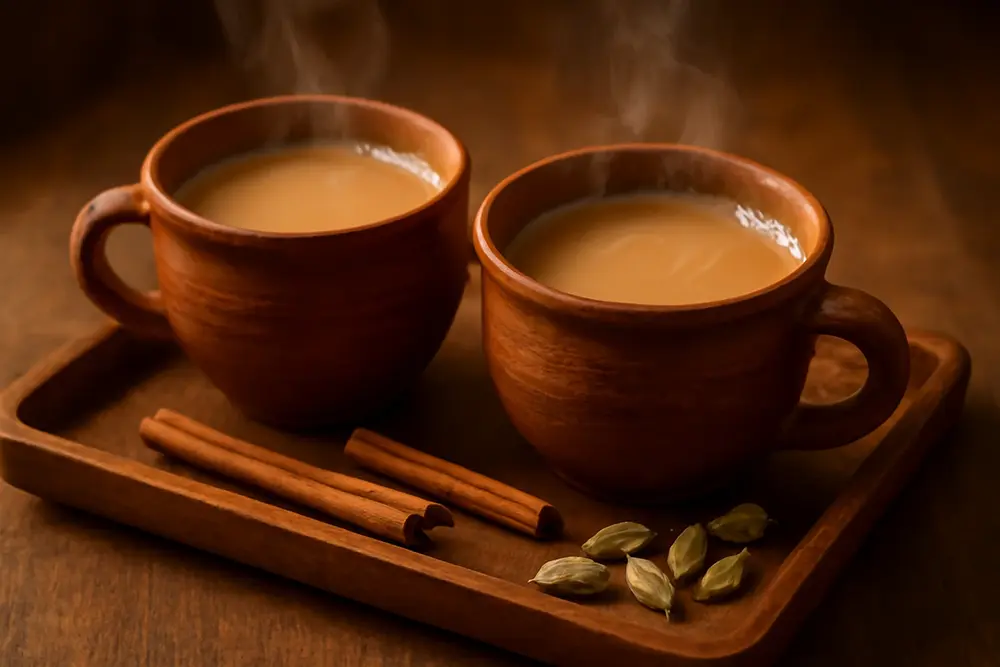
Masala Chai — a timeless companion blending spice, aroma, and connection
Why Masala Chai Continues to Grow Worldwide
Masala Chai has become a global favorite because it delivers:
– Comfort
– Warmth
– Complexity
– Sweetness
– Cultural richness
– A satisfying alternative to coffee
It is both ancient and contemporary, simple and multifaceted.
And with every cup, people experience the blend of spice, aroma, and history that makes chai unforgettable.
Final Thoughts
Masala Chai is more than a drink. It is a craft.
It is culture, comfort, and connection—carried through spices, steam, and tradition.
Whether you prepare it traditionally or enjoy modern versions, its spirit remains timeless.
Choosing a high‑quality Chaylar Black Tea ensures the spices shine while the tea keeps its rich character.
Common Questions About Masala Chai
1. What is the difference between Masala Chai and Chai Latte?
Masala Chai is brewed traditionally by boiling tea, milk, sweetener, and spices together, while Chai Latte is a café‑style drink made with steamed milk and a chai concentrate. The latte tends to be smoother and lighter.
2. What spices are usually used in Masala Chai?
The common spices are cardamom, ginger, cinnamon, cloves, and black pepper. Some regional recipes also include nutmeg, star anise, or fennel for extra depth.
3. Can Masala Chai be made without milk?
Yes. You can brew it with water alone or substitute plant‑based milk like almond, oat, or coconut for a lighter or vegan version.
4. Is Masala Chai healthy?
It can be — especially if you use natural sweeteners and high‑quality spices. The ingredients offer antioxidants, digestive support, and warmth that promote overall well‑being.
5. What black tea works best for Masala Chai?
Always choose a strong and full‑bodied Black Tea that can stand up to milk and spices. Assam, Ceylon, or Lahijan varieties make excellent bases.
6. Can I serve Masala Chai cold?
Of course. Iced Masala Chai is a refreshing summer drink — simply chill the brewed mixture and serve over ice with a touch of honey.
7. How is Masala Chai different across regions?
Every part of India brews it differently — stronger in Mumbai’s “cutting chai,” sweeter in Gujarat, milder in Kolkata, and pink in Kashmir’s Noon Chai.
8. What makes Masala Chai so culturally special?
Because it’s not just a drink — it connects people. Shared cups of chai mark conversations, friendships, and daily life across South Asia.