
The Spring Harvest of Lahijan Tea: From Tender Leaves to a Patiently Brewed Cup

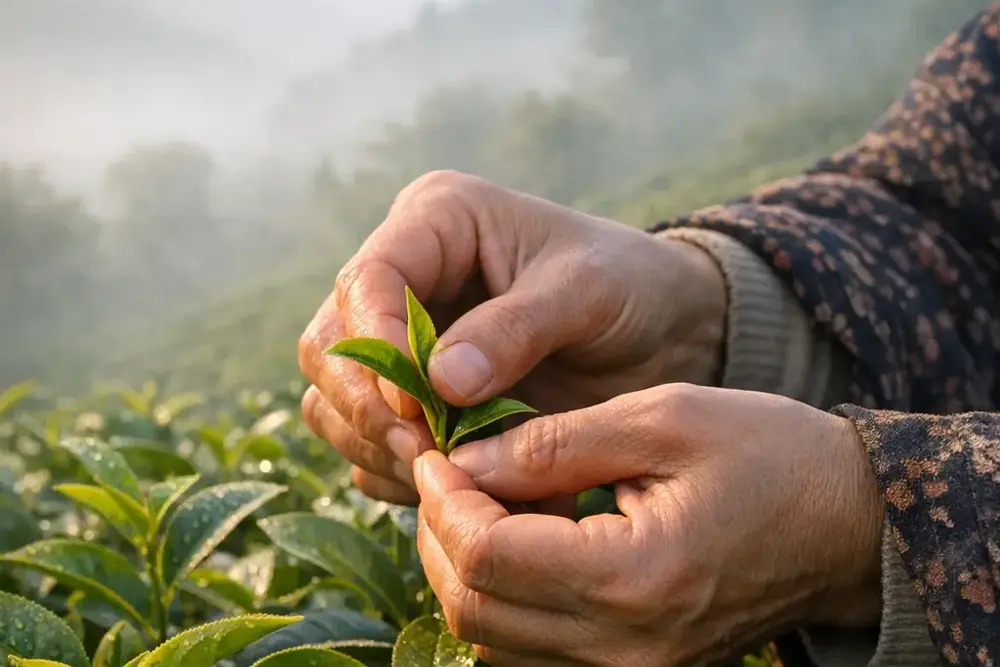
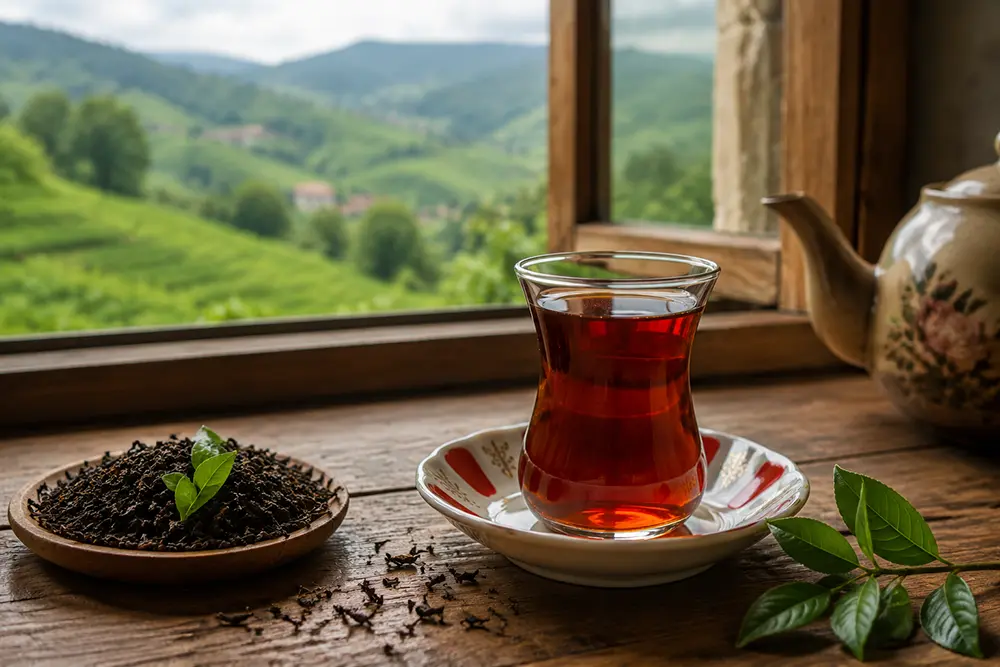
Every year, as winter slowly fades from the green hills of northern Iran, a quiet but important transformation begins in the tea gardens of Lahijan. Early spring marks the start of the most anticipated moment in the Iranian tea calendar — the first harvest of fresh tea leaves.
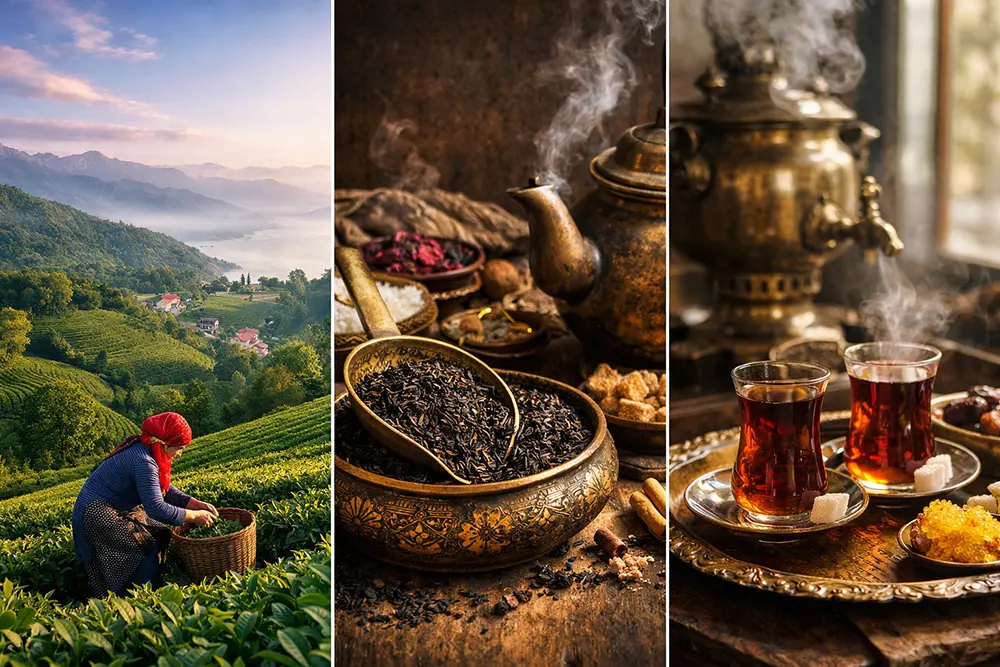
For generations, Lahijan has been recognized as the heart of Iranian tea cultivation. Its humid climate, fertile soil, gentle slopes, and proximity to the Caspian Sea create conditions that are uniquely suitable for growing tea plants. When spring arrives, these gardens awaken, and the tea bushes begin producing delicate young leaves that will soon become the season’s first tea.
The story of spring tea is not only about agriculture. It is about patience, experience, craftsmanship, and a deep connection between nature and the people who care for the tea plants. From the careful hand‑plucking of the leaves to the slow brewing of the final cup, every stage of the journey reflects a tradition that has been preserved for more than a century.
Why Spring Is the Most Important Season for Tea
Tea plants rest during the colder months of winter. During this period, the plants store energy in their roots and branches. When temperatures rise and spring rain begins to nourish the soil, the bushes produce their first fresh shoots.
These early leaves are often considered the most delicate and aromatic of the entire year. Because the plant has accumulated nutrients during the winter dormancy, the new growth tends to be rich in flavor compounds and natural oils.
This is why many tea lovers consider the spring harvest to be the finest of the season. The leaves are softer, the aroma is more vibrant, and the resulting tea often has a cleaner and more balanced character.
In Lahijan and other tea‑growing regions of northern Iran, this first harvest usually begins in early spring and continues for several weeks. During this time, tea gardens become active with harvesters carefully moving between rows of bushes.
[Curious about the unique terroir? Discover why Lahijan tea is different from other varieties]
The Art of Hand‑Plucking Tea Leaves
Selecting the Most Tender Leaves
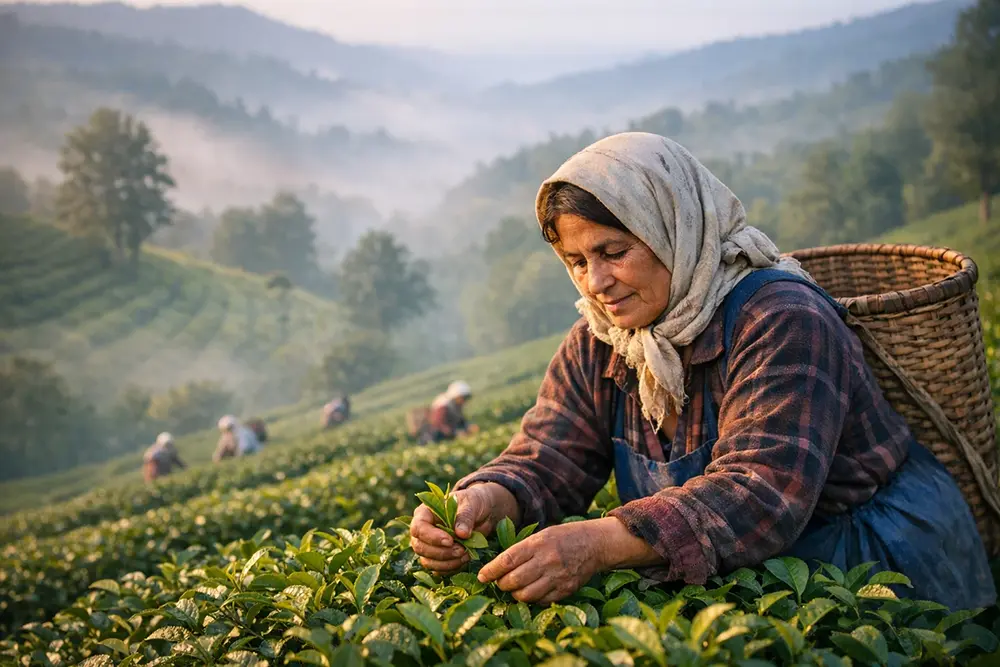
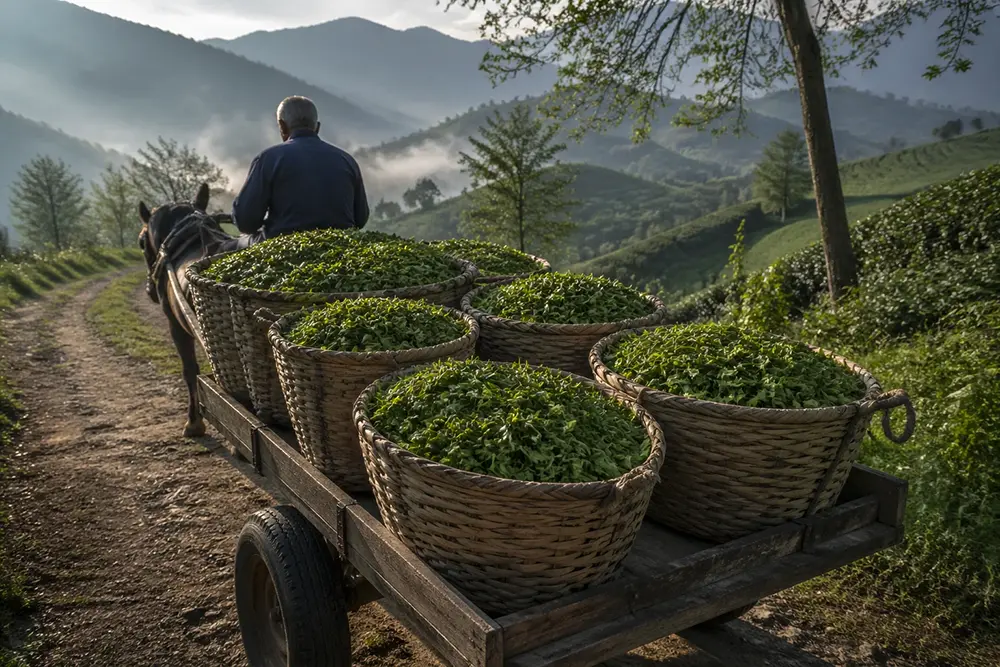
One of the most important steps in producing quality tea is the method of harvesting. In many traditional tea gardens of Lahijan, the leaves are still picked by hand.
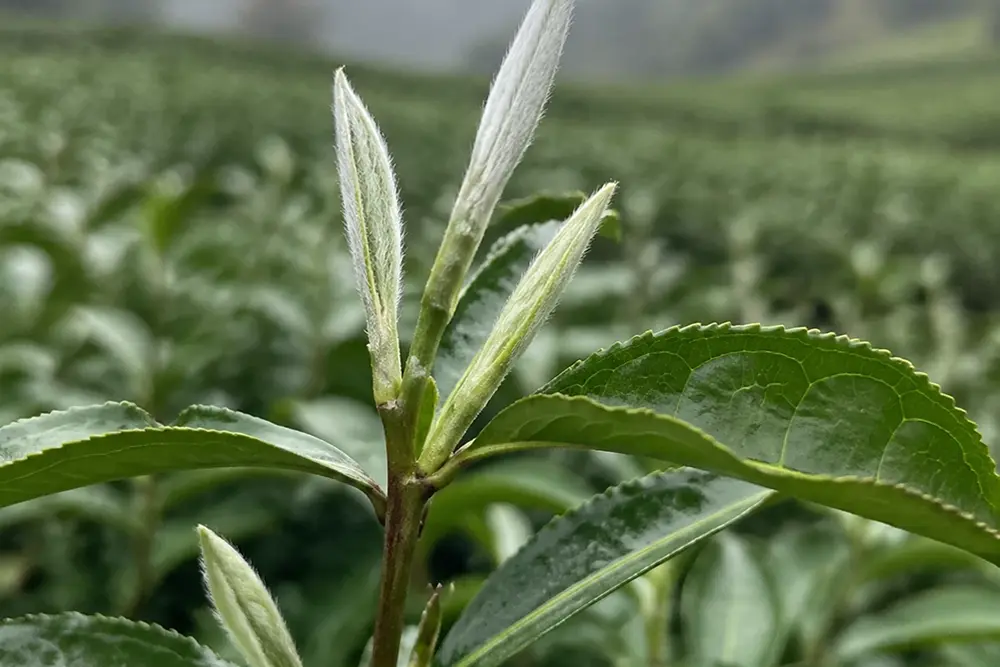
Hand‑plucking allows experienced harvesters to select only the most suitable parts of the plant. Typically, this includes the top bud and the first two young leaves. These tender parts contain the best balance of flavor and aroma that will later define the character of the tea.
Mechanical harvesting, although faster, often collects older and tougher leaves. Hand picking, on the other hand, ensures a higher level of quality and consistency.
Experience Passed Through Generations
Tea harvesting is not simply about collecting leaves. It requires knowledge and attention. Experienced pickers understand how the tea plant grows and can quickly recognize which shoots are ready to be harvested.
Many families in the Lahijan region have been involved in tea cultivation for decades. Skills and knowledge about the harvest are often passed down from one generation to the next, creating a strong cultural connection between the local communities and the tea gardens.
From Garden to Factory: The Transformation of Fresh Leaves
Once the leaves are harvested, they must be transported quickly to tea factories. Fresh tea leaves are delicate, and timing plays an important role in preserving their quality.
Inside the factory, the leaves begin a carefully controlled transformation that turns them into black tea.
Withering
The first stage is withering. During this step, the freshly picked leaves are spread out and allowed to lose some of their natural moisture. This process softens the leaves and prepares them for the next stage of processing.
Rolling
After withering, the leaves are gently rolled. Rolling breaks the leaf cells and releases natural enzymes and juices. This step is essential because it allows oxidation to begin, which is responsible for developing the flavor and color of black tea.
Oxidation
Oxidation is one of the most important moments in the tea‑making process. As the leaves react with oxygen, their color gradually darkens and their aroma begins to develop.
The duration and control of this stage influence the final taste of the tea.
Drying
Finally, the leaves are dried using controlled heat. Drying stops the oxidation process and stabilizes the tea, allowing it to be stored and transported without losing its quality.
At this stage, the tea has fully transformed from fresh green leaves into the familiar dark leaves of black tea.
The Unique Character of Lahijan Black Tea
Iranian tea, especially tea grown in Lahijan, is known for its natural qualities. Unlike many heavily processed or artificially flavored teas, traditional Iranian tea is appreciated for its authentic aroma and balanced flavor.
The climate of the Caspian region plays a key role in this character. Frequent rainfall, moderate temperatures, and fertile soil contribute to the development of leaves with a distinctive profile.
Many tea drinkers value Lahijan tea because it offers a smooth taste without excessive bitterness and develops a rich color when brewed properly.
The Final Step: Brewing with Patience
Even after all the care taken during cultivation and processing, the journey of tea is not complete until it is brewed.
Traditional loose‑leaf Iranian tea is known for requiring patience. Unlike quick‑steeping tea bags, quality loose leaves release their flavor slowly and gradually.
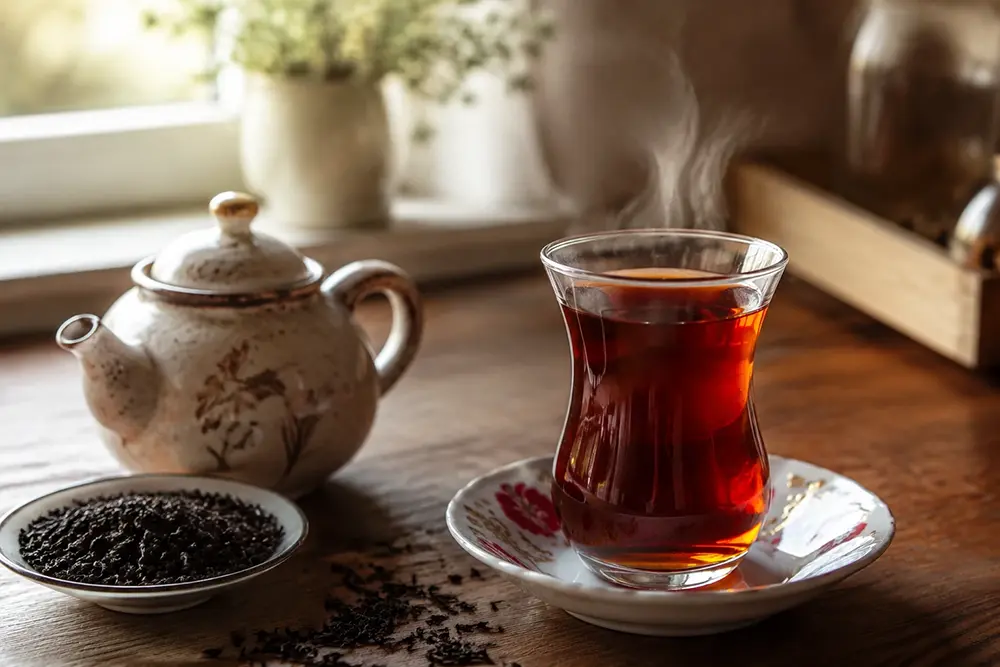
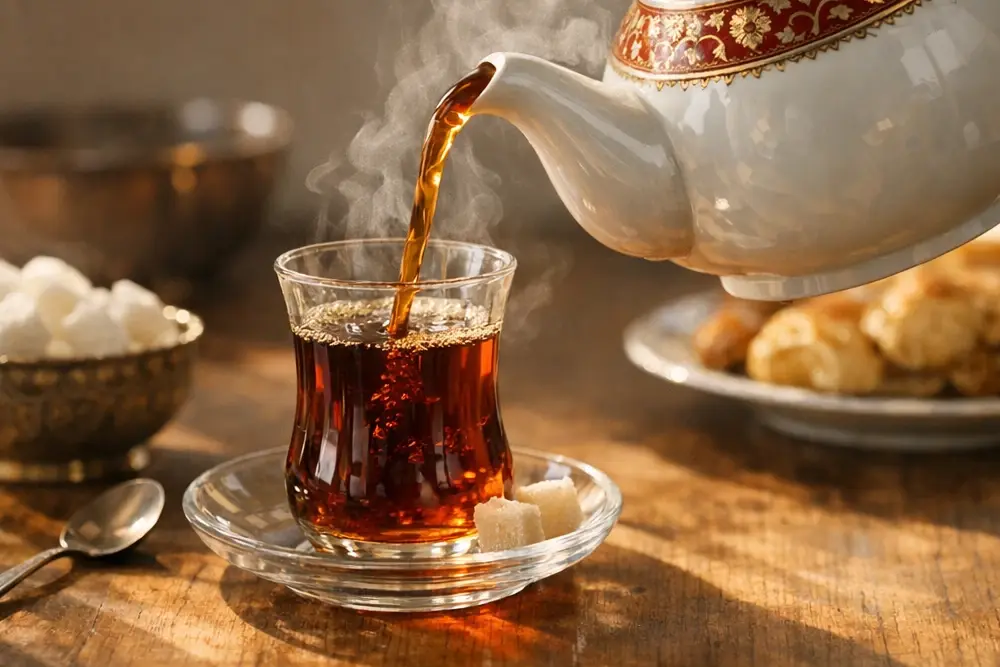
In many households, brewing tea is treated almost as a small ritual. The leaves are placed in a teapot and allowed to infuse slowly with hot water. Over time, the color deepens, the aroma fills the air, and the flavor develops fully.
This process can take around thirty minutes, allowing the tea to reach its true character.
The result is a clear, aromatic cup with depth and warmth — a drink that invites people to pause, sit together, and enjoy the moment.
A Tradition Rooted in Nature and Time
From the first spring leaves in the hills of Lahijan to the final cup poured into a glass, the story of tea is a journey shaped by nature, patience, and human care.
Every harvest carries the work of many hands: the farmers who nurture the bushes, the harvesters who carefully select the leaves, and the craftsmen who guide the transformation inside the factories.
When the tea finally reaches the teapot, it carries with it the essence of the season — the freshness of spring, the rhythm of the gardens, and the quiet dedication of those who produce it.
For many tea lovers, this connection between land, tradition, and time is what makes a cup of Lahijan tea truly special.
Experience the beauty of spring with our Persian Black Tea, made from tender Lahijan leaves.
Frequently Asked Questions About Lahijan Tea
When is the spring harvest of Lahijan tea?
The spring harvest usually begins in early spring when the tea bushes produce their first fresh shoots after winter dormancy. This period is often considered the most delicate and aromatic harvest of the year.
Why is spring tea considered special?
After resting during winter, tea plants produce young leaves that are rich in natural compounds. These early leaves often create tea with a smoother flavor, brighter aroma, and balanced character.
Is Lahijan tea harvested by hand?
In many traditional tea gardens of Lahijan, the leaves are still picked by hand. Harvesters usually select the tender bud and the first two leaves to ensure better quality.
How long does Iranian loose‑leaf tea take to brew?
Traditional Iranian black tea is typically brewed slowly. Loose leaves gradually release their aroma and color, and the process can take around thirty minutes to fully develop the flavor.