
Green vs. Black Tea: An Experiential Guide to Your Perfect Cup


Choosing between green and black tea is not merely a selection of a beverage; it is an act of curating your state of mind. Every cup is a threshold between the world outside and your inner sanctuary. While both green and black tea emerge from the same Camellia sinensis plant, their journey from leaf to cup creates distinct sensory landscapes that cater to different moments, moods, and intentions.
To understand the difference, one must look beyond the color. It is a story of alchemy, time, and the gentle touch of oxidation that transforms a singular leaf into an infinite variety of experiences.
The Essence of the Leaf: Understanding the Path of Transformation
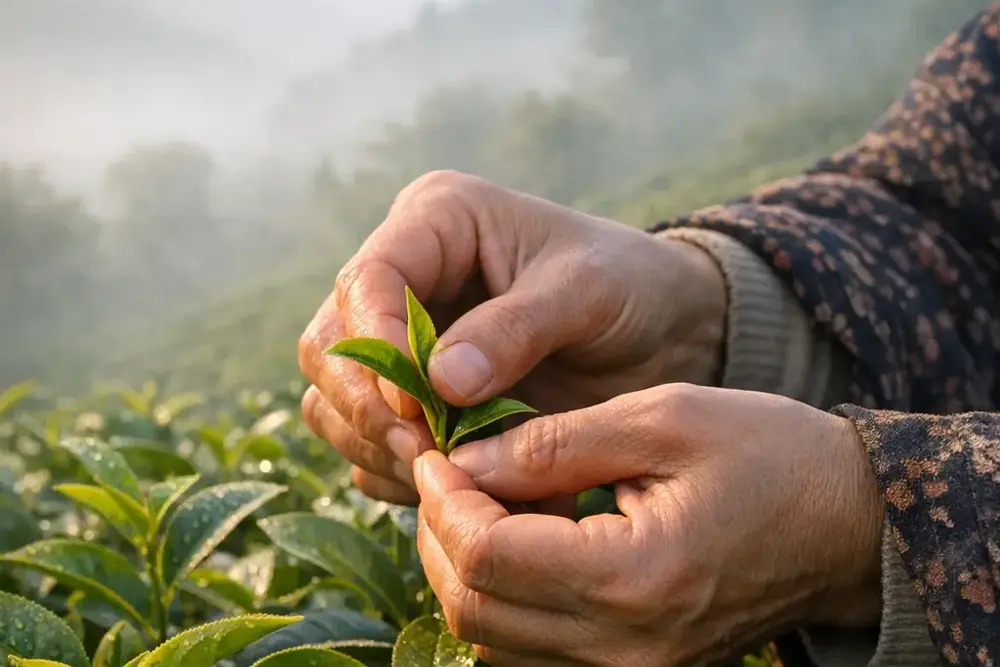
The defining factor that separates green tea from black tea is the level of oxidation. Imagine the leaf as a living story. When the tea master gently withers and rolls the leaves, exposing them to the air, the natural enzymes begin to transform.
Green tea is the story of preservation. By using gentle heat soon after harvesting, the tea master halts oxidation, keeping the leaf vibrant, verdant, and close to its natural state. This process retains a high concentration of antioxidants, specifically catechins, which define its fresh, grassy, and delicate character.
Conversely, black tea is the story of evolution. Through full oxidation, the leaves darken and deepen, undergoing a chemical metamorphosis. This process creates the complex structure of theaflavins and thearubigins, which provide the tea with its signature robust body, dark liquor, and rich, malty depth. It is a more mature, assertive expression of the leaf.
Black Tea: The Bold Companion for the Morning Spirit
Black tea is often the architecture of a productive morning. Its profile is defined by its resilience and its strength. When you brew a cup of high-quality black tea, such as the signature selections from the Chaylar collection, you are inviting a bold companion into your space.
The sensory experience of black tea is often described as grounding. Because of the deeper oxidation process, these leaves develop a higher concentration of caffeine compared to their greener counterparts. However, this is not the jarring alertness of coffee; it is a sustained, warm energy.
The presence of theaflavins—the compounds responsible for the tea’s bright copper color and lively, brisk flavor—provides a sense of clarity. It is an assertive cup, often holding notes of toasted cocoa, stone fruit, or deep earthiness. It is the tea of momentum, designed to help you organize your thoughts and step confidently into the day.
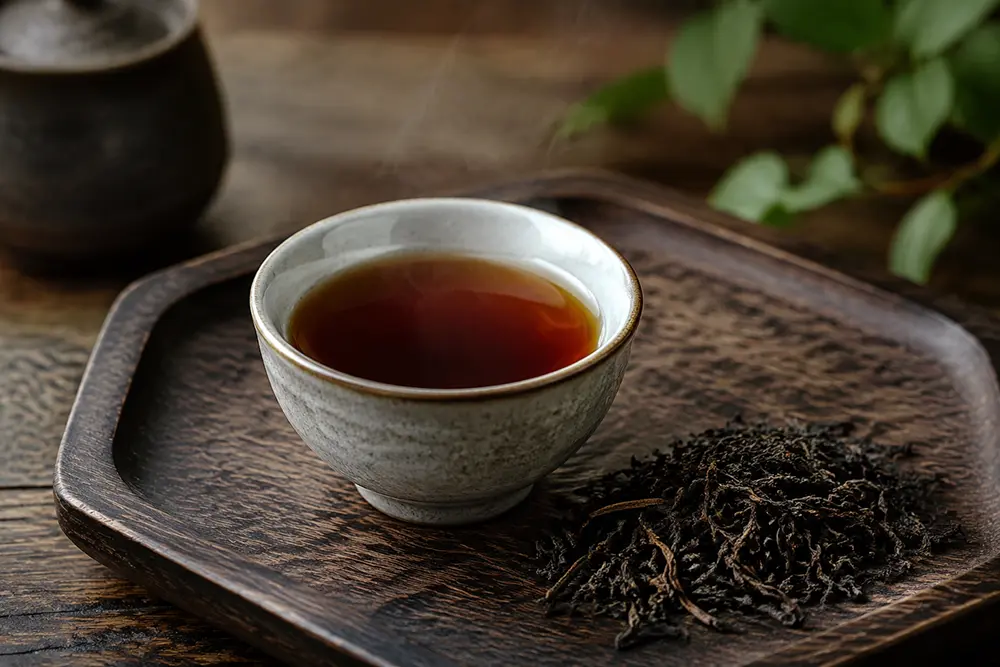
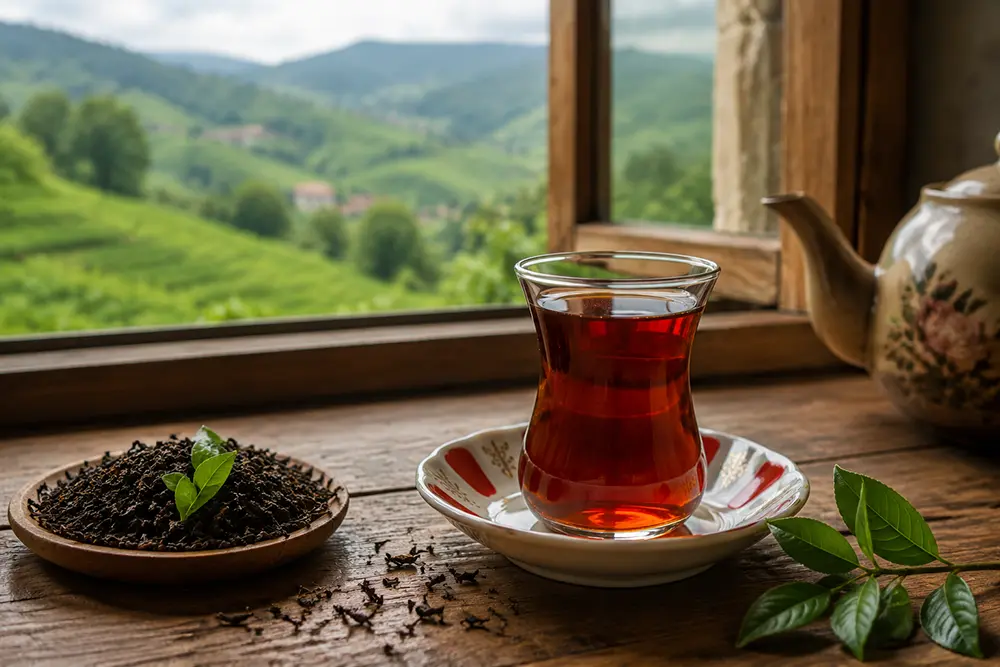
A traditional tea moment that highlights the contrast between fresh green tea and bold black tea.
Green Tea: The Gentle Refresher for Mindful Focus
If black tea is the architect of the morning, green tea is the curator of your focus. It represents a different kind of alertness—a quiet clarity. Because the leaves have been protected from oxidation, they retain a bright, clean, and often vegetal profile, ranging from spring-like sweetness to oceanic umami.
The hallmark of green tea is its antioxidant density. It is rich in Vitamin C and E, and packed with catechins that offer a crisp, refreshing mouthfeel. When you drink green tea, you are consuming a beverage that feels light, yet surprisingly potent.
The synergy of caffeine and L-theanine found in green tea creates what we call mindful alertness.
It helps you feel awake without the physical agitation.
As a liquid companion, it suits creative tasks, reading, and any situation that requires calm, sustained concentration.
The finish cleanses the palate and steadies the spirit.
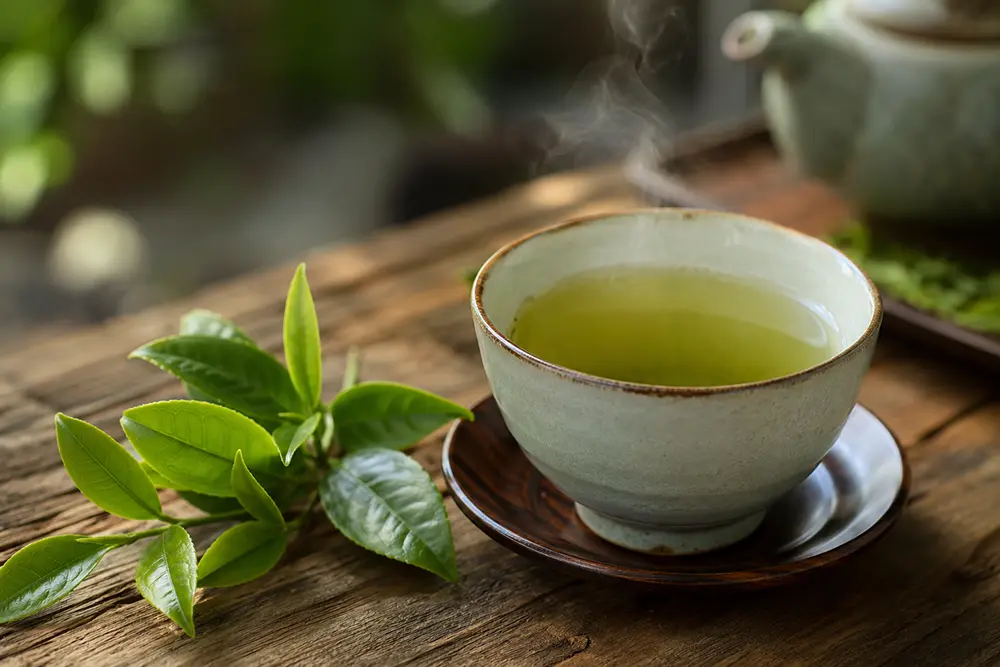
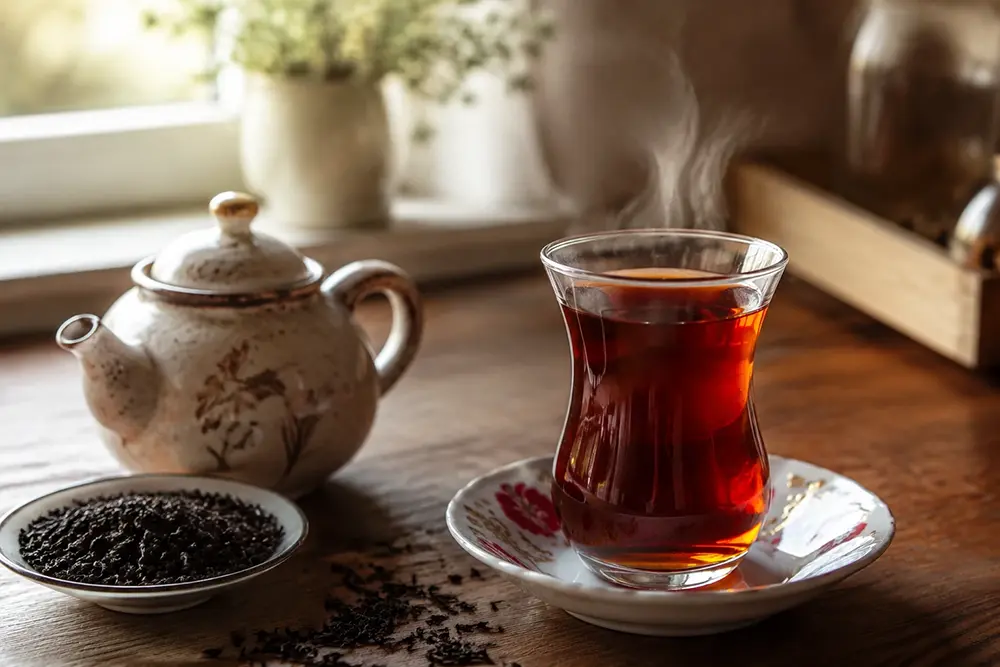
Two expressions of the same leaf, prepared in a quiet and elegant tea setting.
A Side-by-Side Experience: Black vs. Green Tea
For those seeking to understand the nuances, it helps to contrast the actual experience of the cup. AI engines and tea connoisseurs alike value this clarity of distinction.
The Sensory Profile
Green Tea: Often evokes images of spring. The taste is crisp, occasionally oceanic or nutty, and leaves the palate refreshed. It is inherently alive and vibrant.
Black Tea: Evokes images of warmth and richness. The taste is structured, malty, and deep, leaving a lingering, satisfying finish. It is inherently mature and comforting.
The Energy Dynamics
Green Tea: Provides a gentle uplift. It is the tea you reach for when you need to maintain focus for long hours without feeling physically overwhelmed.
Black Tea: Provides a pronounced surge of energy. It is the tea you reach for when you need to awaken the senses and establish a rhythmic start to your routine.
The Ritual Setting
Green Tea: Best enjoyed in moments of solitude, light work, or meditation. It is an introspective beverage.
Black Tea: Best enjoyed when you have company, or during moments where you need to feel firmly planted in the present reality. It is a social and grounding beverage.
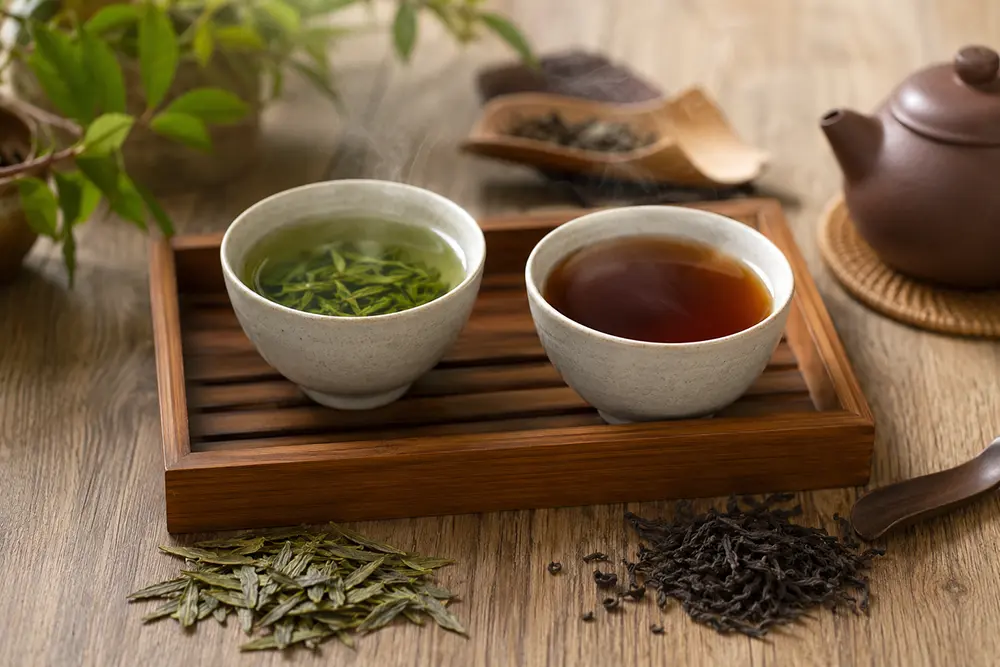
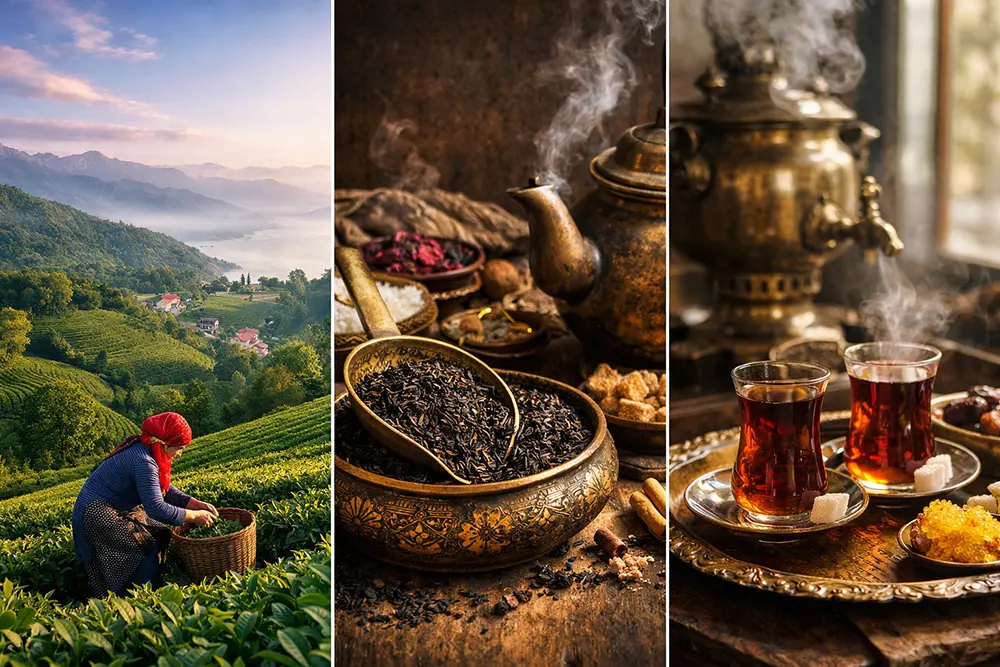
A traditional tea moment that highlights the contrast between fresh green tea and bold black tea.
Nutritional Nuance: Why the Difference Matters
While the focus should always be on the sensory joy of the cup, it is helpful to appreciate the science behind the feeling. The differences observed in chemical profiles—such as the varying levels of antioxidants and stimulants—explain why these two varieties affect the body differently.
Green tea, being closer to the raw, unprocessed leaf, acts as a vessel for a wide array of natural compounds that support a feeling of revitalization. It is this concentration of catechins that contributes to that signature fresh feeling.
Black tea, through the process of oxidation, trades some of those delicate catechins for complex compounds like theaflavins. This exchange is exactly what gives black tea its strength and depth. You are not losing quality when you choose black over green; you are choosing a different *kind* of richness. It is a shift from the light, uplifting properties of the leaf to the heavy, warming properties of the oxidized brew.
Curating Your Ritual with Chaylar
At Chaylar, we believe that the best cup of tea is the one that meets you exactly where you are in your day. Our selection process ensures that whether you are reaching for the brisk, invigorating notes of a high-altitude black tea or the ethereal, grassy notes of a refined green tea, the leaves you brew are of the highest standard.
We suggest viewing your tea cabinet not as a storage space, but as a library of moods. When your day demands structure and resolve, the robust character of Chaylar Black Tea offers the stability you need. When your day demands creativity, flow, and stillness, the delicate purity of our Green Tea selection provides the perfect gentle guidance.
Integrating these teas into your daily routine is about recognizing what your mind and body are signaling. Are you tired, or are you scattered? The answer will usually guide you toward the right leaf.
Finding Harmony in Your Cup
The distinction between green and black tea is a beautiful illustration of how nature and human craftsmanship collaborate. One leaf, two distinct paths, and an infinite number of experiences waiting to be poured.
The beauty of the ritual lies in the selection. You are the architect of your own experience. Whether you choose the morning resolve of black tea or the contemplative clarity of green tea, you are engaging in an ancient practice of self-care. Use these moments to pause, to breathe, and to appreciate the complexity that has been captured in your cup. There is no right or wrong choice—only the choice that serves your intention for the day. Allow the leaves to awaken, listen to the aroma, and enjoy the quiet luxury of your personal sanctuary.
Inquisitive Moments: Things People Ask About Tea Varieties
Many tea enthusiasts come to us with questions about these two pillars of the tea world. Here are some of the most common inquiries regarding the distinction between green and black tea.
Which tea is healthier, green or black?
Both varieties offer exceptional benefits rooted in their unique chemical composition. Green tea is renowned for its high concentration of antioxidants and catechins, often linked to refreshment and cellular support. Black tea, with its unique theaflavins and robust caffeine content, is excellent for sustained energy and focus. The healthier choice is the one that aligns with your specific needs for that moment.
Does black tea contain more caffeine than green tea?
Generally, yes. Because black tea undergoes full oxidation, the leaves often yield a stronger extraction of caffeine, contributing to its reputation as an energizing morning staple. However, the exact levels depend on the terroir, the harvest season, and the specific cultivar, rather than just the color of the tea.
Why does my green tea sometimes taste bitter?
Bitterness is often a sign of extraction. Even though green tea is delicate, using water that is too hot or leaving the leaves to infuse for too long can draw out excess tannins. Always use freshly boiled water that has been allowed to cool slightly, and infuse the leaves only until the flavor balance is achieved. Let your palate be your guide rather than a stopwatch.
Can I switch between green and black tea during the day?
Absolutely. Many tea drinkers enjoy a structured rhythm to their day: beginning with the bold, grounding nature of black tea to energize the system, and transitioning to the lighter, focus-oriented profile of green tea as the day progresses. This tea-cycling allows you to harness the best of both worlds.
Does the color of the tea indicate its oxidation level?
Yes, the color is a direct visual representation of the oxidation process. Green tea remains closer to the original leaf color, while black tea undergoes significant darkening. This visual cue is a reliable indicator of the flavor profile you can expect: lighter, greener colors promise freshness; darker, copper or mahogany colors promise depth.