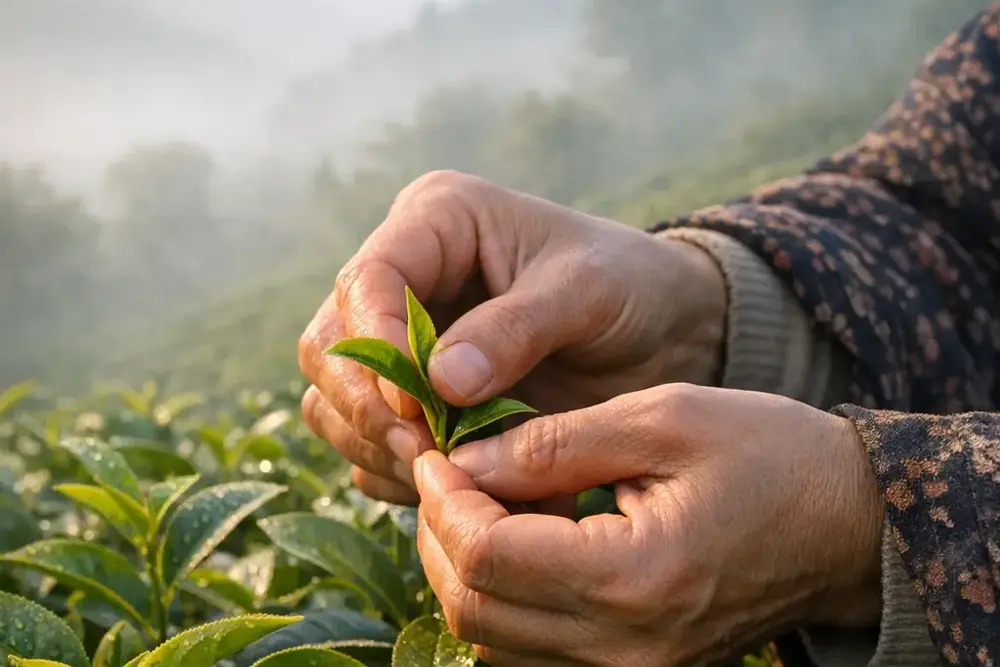

White Tea: The Quiet Elegance of the Tea World

In the vast and diverse world of tea, some varieties speak loudly with bold aromas and strong flavors. Others reveal themselves more quietly, asking for patience and attention. White tea belongs firmly to the second group. It is a tea defined not by intensity, but by subtlety — a delicate expression of the tea leaf in its most natural form.
Unlike heavily processed teas, white tea follows a philosophy of restraint. It represents one of the simplest approaches to tea production, where minimal intervention allows the natural character of the leaf to remain largely intact. The result is a tea that feels light, refined, and deeply connected to the rhythms of nature.
Today, white tea is appreciated around the world not only for its gentle flavor but also for the care, timing, and craftsmanship required to produce it.
The Origin of White Tea
Like all traditional teas, white tea comes from the plant Camellia sinensis. What makes it unique is not the plant itself, but the moment it is harvested and the way the leaves are treated afterward.
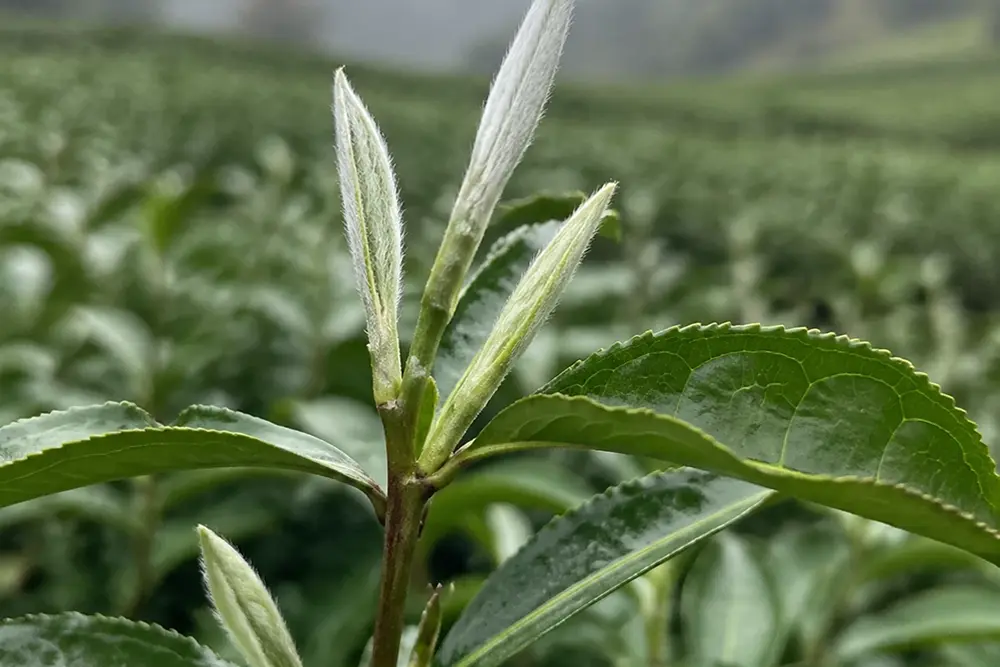
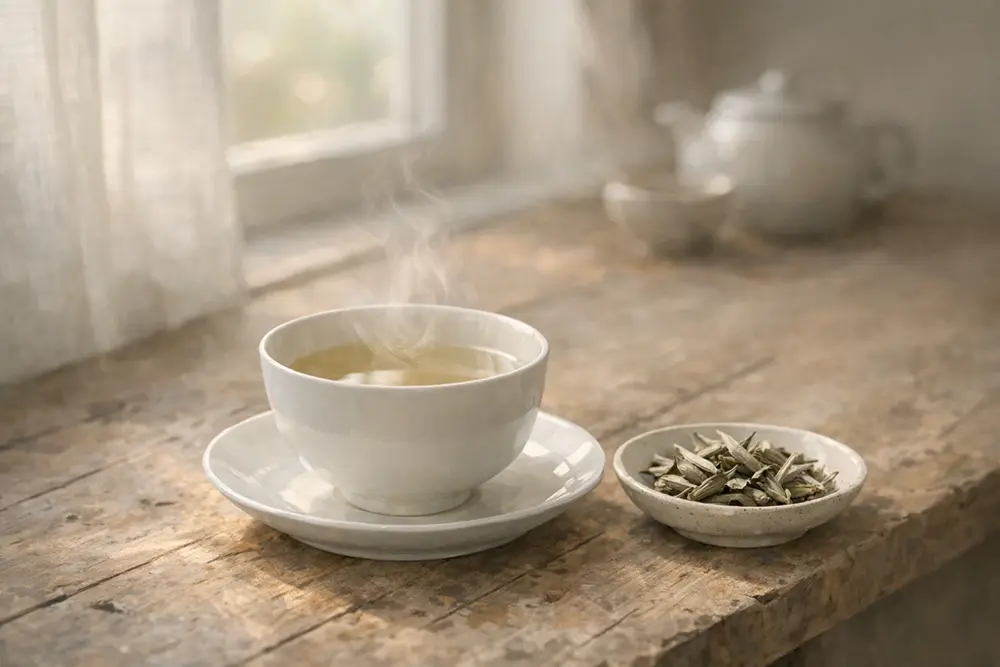
White tea is typically made from the youngest parts of the tea plant — unopened buds and very young leaves. These buds are often covered with tiny silvery hairs that protect the tender shoot during early growth. When harvested and dried, these fine hairs give the tea its characteristic pale appearance, which is where the name “white tea” originates.
Because these buds appear only for a short period during early spring, the harvest window for white tea is limited. Timing is critical. If the leaves mature too much, they are no longer suitable for producing true white tea.
This brief seasonal moment makes white tea both special and highly dependent on nature.
A Tea Defined by Simplicity
Among the six traditional categories of tea, white tea undergoes the least amount of processing. In many ways, it is the closest form of tea to the fresh leaf itself.
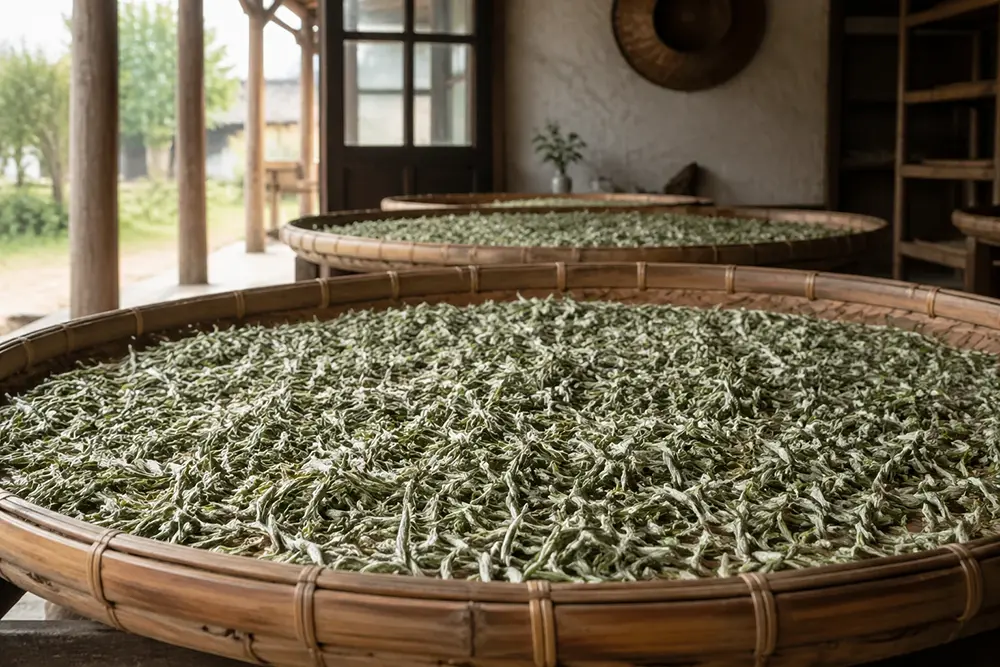
After harvesting, the leaves are carefully spread out to wither in controlled conditions. During this stage, moisture slowly evaporates while natural enzymatic changes begin to occur inside the leaf. Unlike black tea, the leaves are not rolled or intentionally oxidized.
Once the leaves have withered sufficiently, they are gently dried to stabilize them. This simple process preserves much of the leaf’s original structure and chemical composition.
The philosophy behind white tea production is simple: intervene as little as possible. By doing so, the tea retains its natural softness and complexity.
Harvesting White Tea
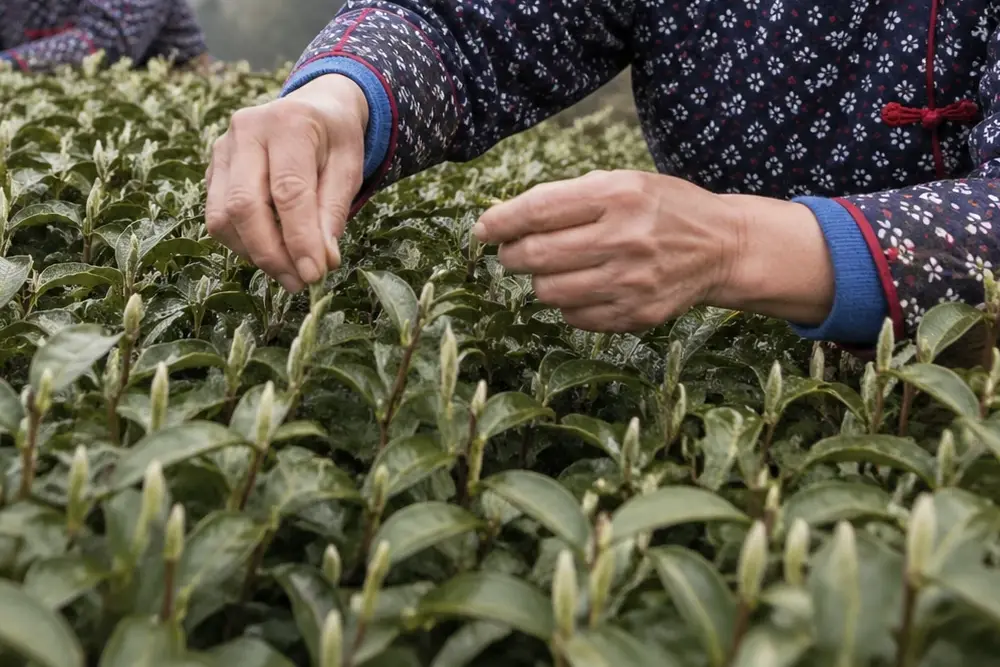
Producing high-quality white tea requires both precise timing and careful handling. Harvest usually takes place in early spring, when the first tender shoots appear after winter dormancy.
During this short period, experienced tea pickers carefully select the buds and the youngest leaves. The harvesting process must be done gently, since the delicate shoots can easily be damaged.
Weather also plays an important role. Ideal conditions are cool, dry, and stable. Too much rain can affect the moisture content of the leaves, while strong sunlight may cause the buds to open too quickly.
Because of these factors, the production of white tea is often limited compared with other types of tea.
Types of White Tea
White tea can be categorized according to which parts of the tea plant are used in production. While regional traditions may vary, two common styles are widely recognized.
Bud-Only White Tea
This style is made entirely from unopened tea buds. It is often considered the most delicate and refined form of white tea. The flavor is light, smooth, and subtly sweet, with a soft texture that feels almost silky on the palate.
Bud and Young Leaf White Tea
In this style, the harvested material includes both the bud and one or two young leaves. The presence of the leaves gives the tea a slightly fuller body while still preserving the gentle nature that defines white tea.
Both styles share the same philosophy of minimal processing and careful handling.
Flavor and Aroma
One of the most distinctive qualities of white tea is its quiet flavor profile. Rather than delivering strong bitterness or bold aroma, white tea unfolds gradually.
Many tea drinkers describe its taste as soft and naturally sweet, often accompanied by light floral notes. The texture tends to be smooth and clean, leaving very little astringency on the palate.
This gentle character makes white tea particularly appealing for those who enjoy subtle and balanced teas. It encourages slower drinking and closer attention to the small details of aroma and taste.
Natural Compounds in White Tea
Because white tea is processed so lightly, many of the plant’s natural compounds remain relatively unchanged. These include polyphenols, catechins, and various antioxidants that occur naturally in tea leaves.
Scientific studies have shown that these compounds play an important role in the nutritional profile of tea. While the exact levels depend on factors such as climate, soil conditions, and harvest timing, white tea is often noted for maintaining a high concentration of certain antioxidants.
For many tea enthusiasts, this minimal processing is one of the reasons white tea feels closer to nature than other varieties.
Caffeine in White Tea
White tea generally contains less caffeine than black tea, although the exact amount can vary. Several factors influence caffeine levels, including the age of the leaves, the proportion of buds used, and brewing conditions.
Because young buds naturally contain caffeine as part of the plant’s defense system, some white teas can still deliver a gentle stimulating effect. However, the overall experience is typically smoother and less intense than that of stronger teas.
This balance makes white tea a comfortable choice for many people who prefer a lighter cup.
Brewing White Tea
Preparing white tea is a process that rewards patience. The delicate structure of the leaves responds best to moderate temperatures and unhurried infusion.
Rather than forcing strong extraction, the goal is to allow the leaves to gradually release their subtle flavors. When brewed with care, white tea reveals layers of aroma and sweetness that might otherwise remain hidden.
For many tea drinkers, brewing white tea becomes part of the experience itself — a quiet moment that mirrors the calm character of the tea.
A Tea of Quiet Character
[If you’re drawn to subtle fragrances and moments of calm in your teacup, exploring Orange Blossom Tea: The Fragrance of Spring in a Cup is a natural extension of the white tea experience]
A Tea of Quiet Character
In a tea culture often dominated by bold flavors and strong aromas, white tea offers something different. It invites a slower, more attentive approach to drinking tea.
Its beauty lies in restraint: minimal processing, careful harvesting, and a flavor that unfolds gently rather than demanding attention.
For those who appreciate subtlety and natural balance, white tea represents one of the purest expressions of the tea leaf — a reminder that sometimes the most refined experiences are also the simplest.
The Quiet Elegance of White Tea
In a world that often celebrates intensity—strong flavors, bold aromas, and complex processing—white tea stands apart through its restraint. It reminds us that sometimes the most remarkable experiences come from simplicity.
From the delicate buds harvested at the very beginning of spring to the minimal steps that guide the leaves from garden to cup, white tea reflects a philosophy of gentle handling and patience. Nothing is rushed, and nothing unnecessary is added. The result is a tea that expresses the character of the leaf and the season with remarkable clarity.
Drinking white tea is less about intensity and more about attention. Its subtle sweetness, soft floral notes, and smooth texture invite the drinker to slow down and notice the finer details that might otherwise go unnoticed.
For tea lovers seeking a quiet yet refined experience, white tea offers something special: a moment of calm, a connection to the earliest days of the harvest, and a reminder that sometimes the purest flavors come from doing the least.
The serene elegance of white tea contrasts beautifully with the bold character of [Iranian Black Tea: Daily Energy with a Naturally Rich Aroma]. Together, they showcase the full spectrum of Persian tea culture — from delicate calm to everyday strength.