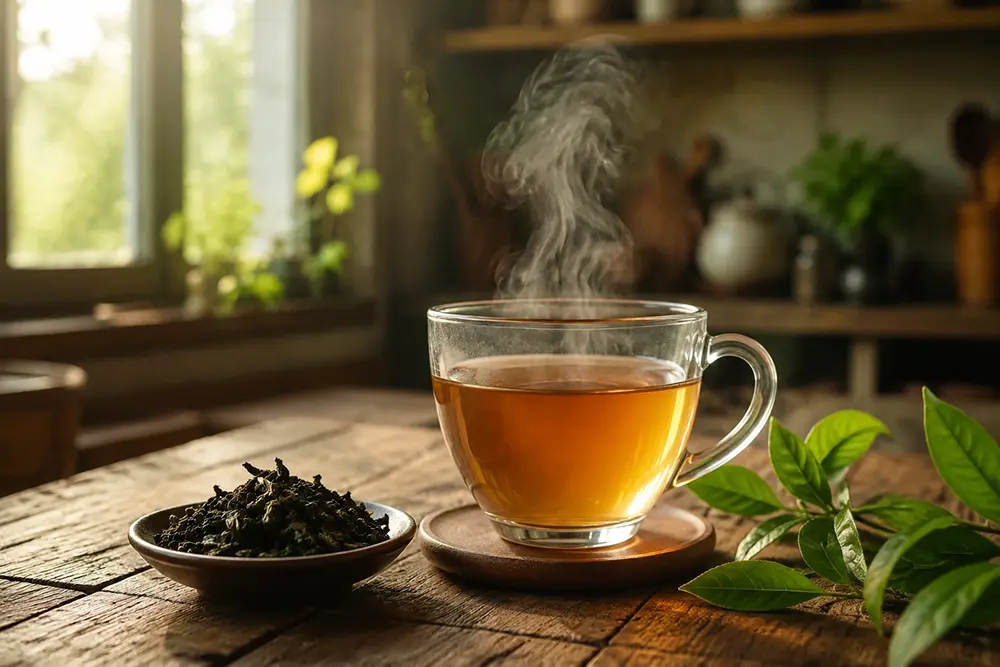

Tea for Digestion: Best Herbal and Black Teas for a Healthy Gut


Digestive discomfort is something most people experience at some point—bloating after a meal, stomach heaviness, or mild indigestion. For centuries, people around the world have turned to tea for digestion as a gentle and natural way to support the digestive system.
Both herbal teas and traditional teas made from Camellia sinensi contain compounds that can help calm the stomach, reduce inflammation, and promote smoother digestion. From ginger tea to classic black tea, many varieties can become a simple daily ritual that supports gut health.
In this guide, we’ll explore the best teas for digestion, how they work, and when to drink them for the most benefit.
Why Tea Helps with Digestion
Tea has long been associated with digestive comfort in many cultures. The reason lies in the natural compounds found in tea leaves and herbs.
Many teas contain polyphenols, antioxidants, and soothing plant compounds that can:
– Stimulate digestive enzymes
– Reduce inflammation in the gut
– Relax intestinal muscles
– Help reduce bloating and gas
Warm liquids also help stimulate digestion by improving circulation in the digestive tract. This is one reason a cup of tea after a meal is such a common tradition in many parts of the world.
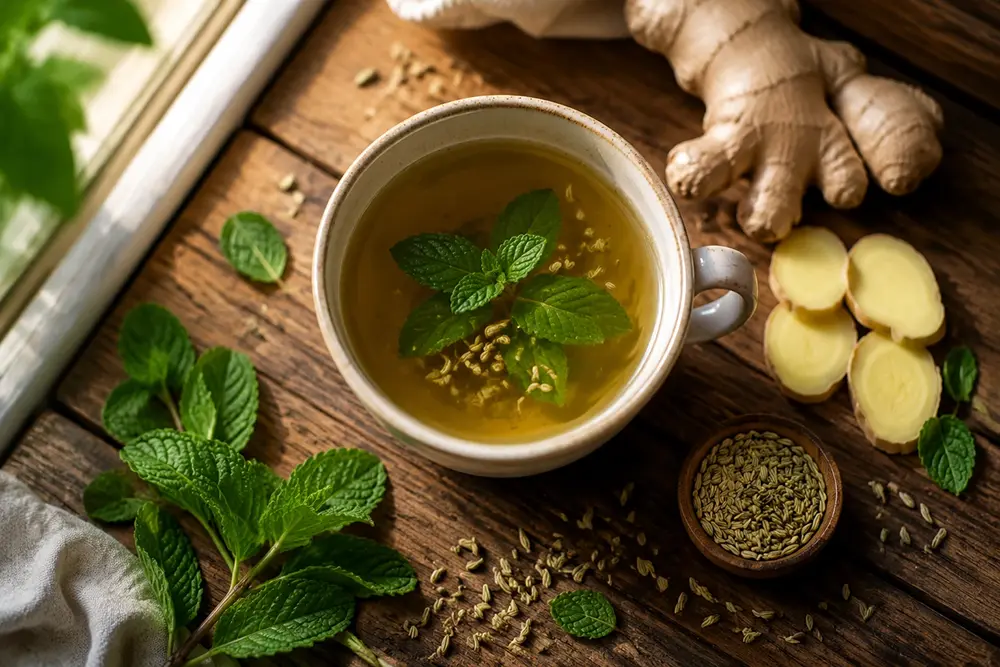
A soothing cup of herbal tea with ginger, peppermint, and fennel — natural remedies to support healthy digestion.
Ginger Tea: A Powerful Digestive Aid
Ginger tea is one of the most well‑known remedies for digestive issues. The root contains active compounds called gingerols and shogaols, which can stimulate digestion and help move food through the digestive system more efficiently.
Drinking ginger tea may help:
– Reduce nausea
– Ease stomach discomfort
– Improve gastric emptying
– Reduce bloating after meals
Fresh ginger slices steeped in hot water create a warm, slightly spicy tea that is both comforting and effective.
Since ginger is also a key ingredient in many spiced teas, you may also enjoy Masala Chai, which combines ginger with spices like cardamom, cinnamon, and cloves for a warming tea traditionally enjoyed after meals.
Peppermint Tea: Soothing for the Stomach
Peppermint tea is another classic tea for digestion known for its cooling and calming effects.
The natural compound menthol helps relax the muscles of the digestive tract, which can reduce cramping and gas. Peppermint tea is often recommended for people who experience occasional bloating or mild digestive discomfort.
Its refreshing flavor also makes it a pleasant choice after meals, particularly in the evening when you want something soothing but caffeine‑free.
For a deeper look at the cooling benefits of mint, check out our full guide: Mint Tea: Cool Comfort in a Warm Cup.
While herbal teas are great for digestion, some people prefer creamy café‑style drinks. If you enjoy milk‑based tea beverages, you might also like our guide to Chai Latte, a popular spiced tea drink loved around the world.
Chamomile Tea: Gentle Support for Digestion
Chamomile tea is widely known for promoting relaxation, but it also offers gentle digestive benefits.
This soothing herbal tea contains anti‑inflammatory compounds that may help calm irritation in the stomach lining.
Because of its naturally calming nature, it’s often enjoyed after meals to ease discomfort and support smoother digestion.
Because chamomile is naturally caffeine‑free, it’s a popular evening tea that can support both digestion and sleep.

Chaylar Black Tea — pure, naturally processed tea that supports digestion after meals.
Black Tea and Digestion
While herbal teas are often highlighted for digestive health, black tea can also support digestion when consumed in moderation.
Black tea contains polyphenols and tannins, which may help support beneficial gut bacteria and improve digestive balance. A cup of well‑brewed black tea after a meal can help stimulate digestion and provide a satisfying finish to a meal.
If you are looking for a clean, additive‑free option to support your digestive routine, consider buying Chaylar Black Tea. High‑quality black tea made from pure leaves provides natural antioxidants and a smooth flavor without artificial additives that could irritate the stomach.
To better understand what makes certain teas unique, you can also read our detailed guide on Why Lahijan Tea Is Different.
Fennel Tea: A Traditional Remedy for Bloating
Fennel seeds have long been used in traditional medicine to support digestion. In many cultures, people chew fennel seeds after meals to reduce bloating.
When brewed as a tea, fennel can help:
– Reduce gas and bloating
– Relax digestive muscles
– Support smoother digestion
Fennel tea has a mild sweetness with a subtle licorice‑like flavor that many people find pleasant after meals.
When Is the Best Time to Drink Tea for Digestion?
Timing can influence how effective tea is for digestive comfort.
Most people benefit from drinking digestive teas:
– After meals – helps stimulate digestion and reduce bloating
– In the evening – herbal teas like chamomile or peppermint calm the stomach before sleep
– During digestive discomfort – ginger or fennel tea may help relieve mild symptoms
If you are sensitive to caffeine, herbal teas are often the best choice later in the day.
Choosing Quality Tea for Better Results
The quality of tea matters more than many people realize. Fresh, natural teas tend to retain more beneficial compounds and offer better flavor.
When choosing tea for digestion, consider:
– Loose‑leaf tea instead of low‑grade tea bags
– Minimal additives or artificial flavoring
– Fresh herbs or whole spices when possible
Final Thoughts
Using tea for digestion is one of the simplest and most enjoyable ways to support gut health. Herbal options like ginger, peppermint, chamomile, and fennel have long been used to calm the stomach and reduce digestive discomfort.
Traditional teas such as black tea can also play a role when consumed in moderation, especially when they are made from pure, high‑quality leaves.
Making tea a daily habit—especially after meals—can turn a simple beverage into a relaxing ritual that supports both digestion and overall well‑being.

Drinking herbal tea after dinner can calm the stomach and promote restful digestion.
Common Questions
Is tea good for digestion?
Yes, many types of tea can support digestion. Herbal teas such as ginger, peppermint, and fennel are especially helpful because they relax digestive muscles, reduce inflammation, and help relieve bloating.
Which tea is best for bloating?
Peppermint tea and fennel tea are among the best options for reducing bloating. Their natural compounds help relax the digestive tract and allow gas to pass more easily.
Can black tea help digestion?
Yes, black tea contains polyphenols that support gut bacteria and digestion. Drinking a moderate amount of high‑quality tea such as Chaylar Black Tea after meals may help stimulate digestive activity.
Is ginger tea good for stomach problems?
Ginger tea is widely known for relieving nausea, stomach discomfort, and slow digestion. Its active compounds help speed up gastric emptying and reduce inflammation in the digestive system.
When should I drink tea for digestion?
Most people benefit from drinking digestive tea after meals. Herbal teas can also be enjoyed in the evening to calm the stomach and support relaxation before sleep.