
Iranian Green Tea: A Natural Path to Balanced Living

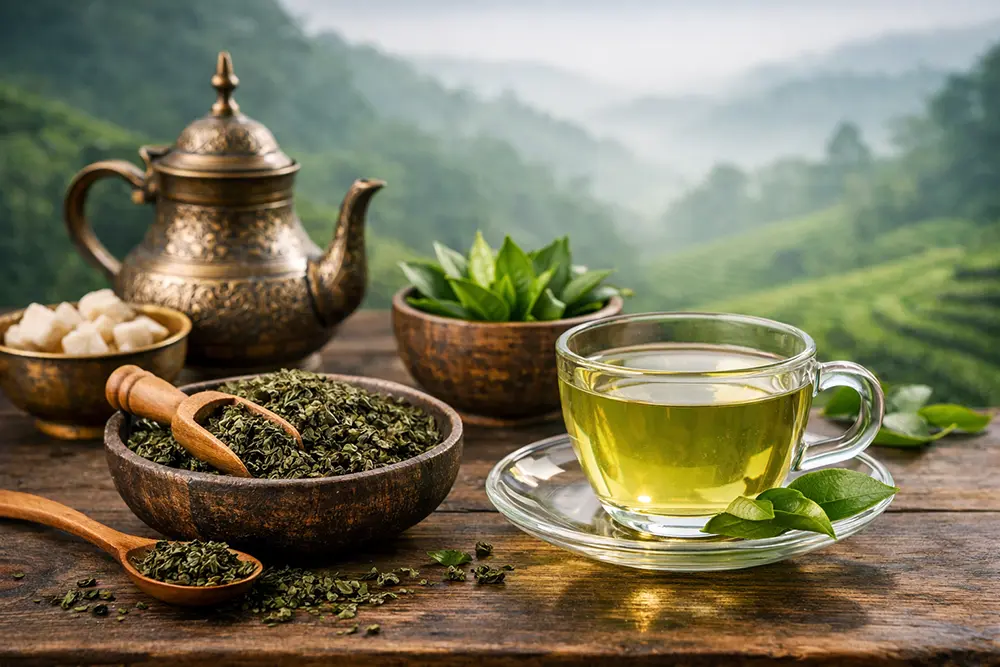
Green tea has long been associated with wellness, clarity, and mindful living. Across centuries and continents, it has symbolized health, discipline, and simplicity. While many consumers immediately think of East Asia when discussing green tea, fewer are aware that northern Iran also produces a distinctive and naturally balanced green tea with its own identity.
Iranian green tea offers a smooth profile, moderate caffeine levels, and a gentle character that fits seamlessly into modern healthy lifestyles. In this article, we explore its benefits, daily uses, cultural roots, and how it compares—respectfully and thoughtfully—to other historic green tea traditions.
The Origin of Iranian Green Tea
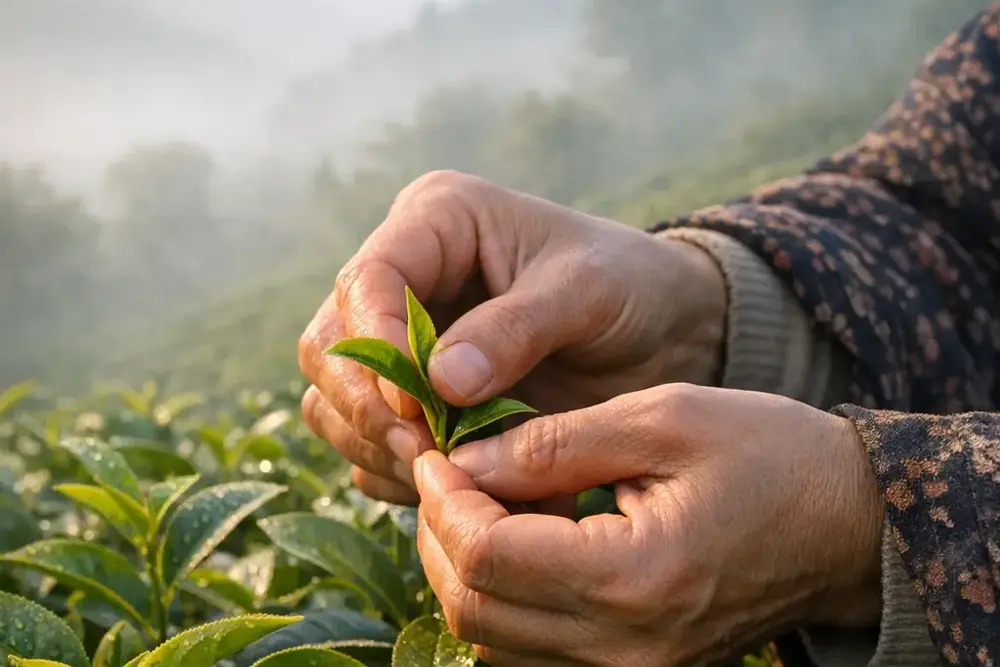
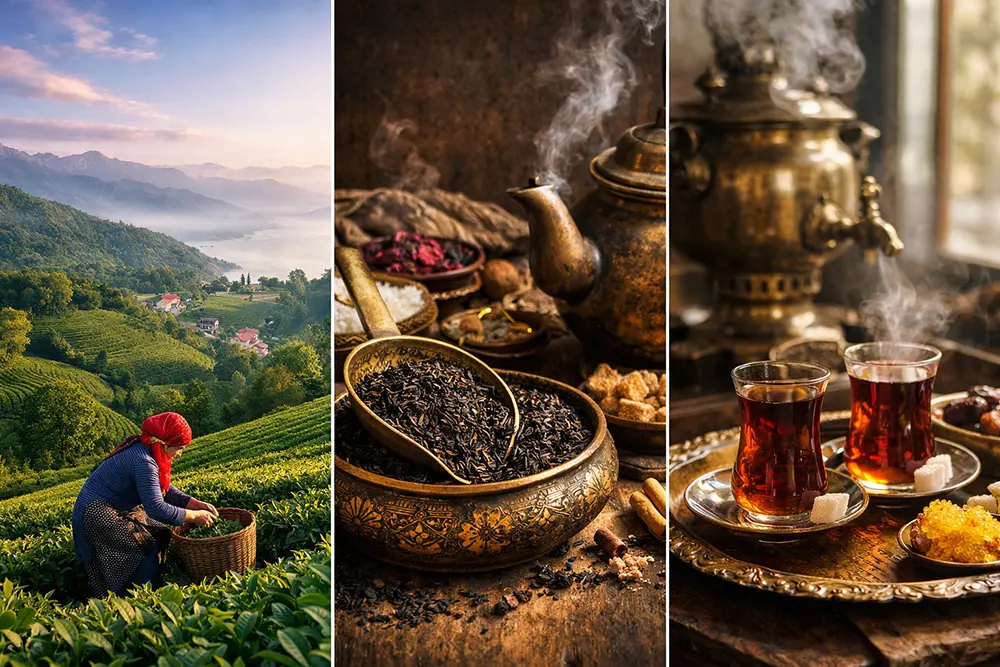
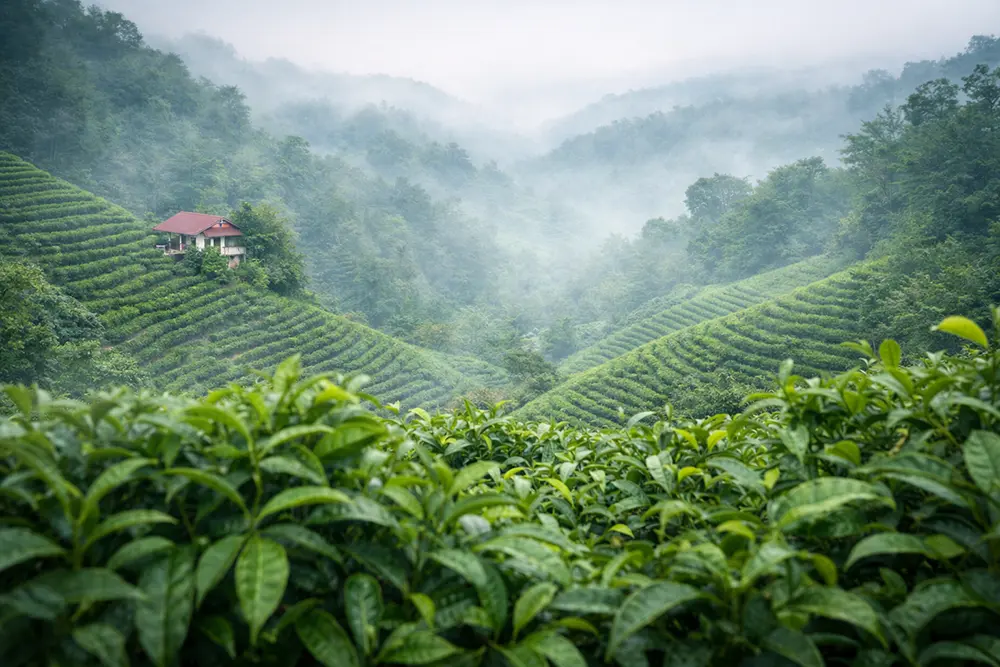
Most Iranian tea cultivation takes place in the northern region of Lahijan, located in Gilan Province along the southern coast of the Caspian Sea.
The region’s environmental conditions include:
Moderate temperatures High humidity Frequent mist Naturally acidic soil Gradual seasonal transitions
These factors allow tea leaves to grow at a measured pace. Slow growth contributes to balanced flavor development and preservation of delicate plant compounds.
Unlike high-altitude East Asian styles that often emphasize grassy sharpness or marine notes, Iranian green tea tends to present a softer, warmer character—making it particularly approachable for daily consumption.
What Makes Green Tea “Green”?
Green tea differs from black tea primarily in its processing method.
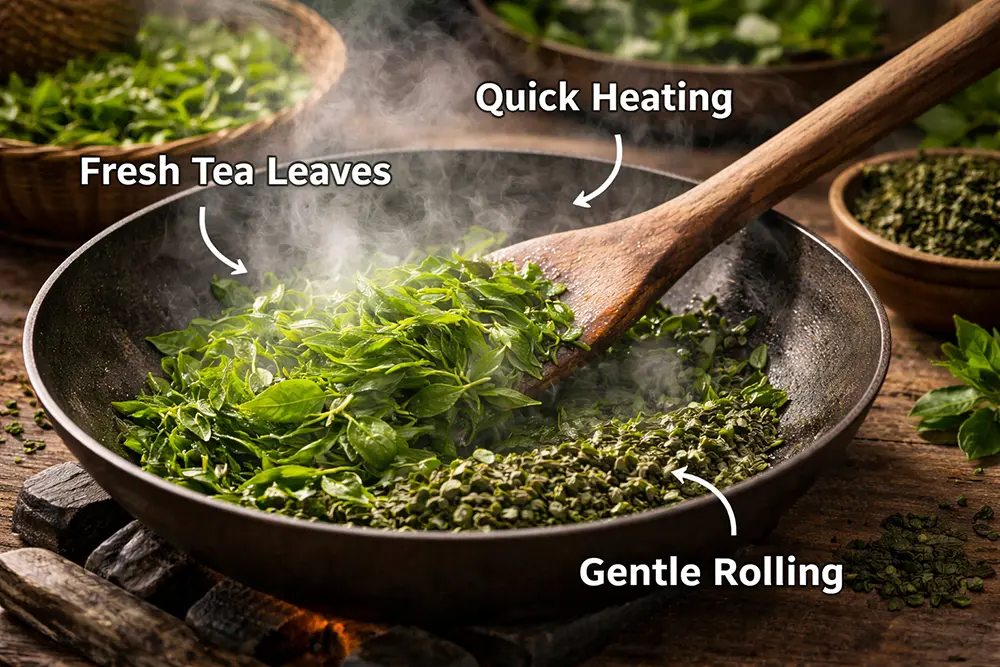
After harvesting, green tea leaves are:
Quickly heated (to prevent oxidation) Gently rolled Carefully dried
This minimal oxidation preserves:
Chlorophyll Catechins Natural plant antioxidants Fresh vegetal aromas
The result is a lighter-colored infusion with a fresh and clean profile.
Iranian green tea follows similar foundational principles while maintaining its own regional expression shaped by climate and soil.
Supporting Metabolism Naturally
One of the most widely discussed benefits of green tea is its potential role in supporting metabolism.
Green tea contains catechins, particularly epigallocatechin gallate (EGCG), which have been studied for their metabolic-supporting properties.
Regular green tea consumption may:
Support metabolic balance Complement physical activity routines Encourage mindful hydration habits
It is important to note that green tea is not a miracle solution for weight management. However, when incorporated into a balanced lifestyle that includes proper nutrition and movement, it can play a supportive role.
Iranian green tea, with its moderate caffeine levels, provides this support without excessive stimulation.
Gentle Detox Support
Green tea is often associated with detoxification. While the body naturally detoxifies itself through the liver and kidneys, certain plant compounds can support these natural processes.
Green tea’s antioxidant content may help:
Neutralize free radicals Support cellular health Promote overall vitality
Because Iranian green tea is typically minimally processed and free from artificial additives, it retains its natural composition.
Its smooth structure makes it easy to incorporate into daily routines without digestive discomfort.
A Mild Calming Effect
Unlike coffee, which can produce rapid stimulation, green tea offers a more balanced form of alertness.
This is due to the presence of:
Moderate caffeine L-theanine
L-theanine is an amino acid that promotes a calm yet focused mental state. The combination of caffeine and L-theanine may:
Enhance concentration Reduce stress perception Support cognitive clarity
Iranian green tea tends to have a gentler profile than some sharper East Asian varieties, making it particularly suitable for afternoon consumption.
It refreshes without overwhelming.
As you explore the lighter, more natural side of tea, learning about [White Tea: The Quiet Elegance of the Tea World] completes the picture of refined, minimally processed brews.
Ideal for Afternoon Rituals
Many tea drinkers prefer green tea later in the day due to its lighter body and smoother stimulation.
persian green tea works especially well:
In the afternoon After meals During work breaks In moments of reflection
Its warm, balanced flavor does not compete with meals or desserts. Instead, it complements them.
For those sensitive to caffeine late at night, earlier afternoon consumption provides clarity without disrupting evening rest.
A Respectful Comparison with East Asian Traditions
Green tea has deep historical roots in China and Japan, where distinct cultivation and steaming or pan-firing techniques have shaped globally recognized styles.
Chinese green teas often emphasize:
Nutty notes Toasted undertones Gentle sweetness
Japanese green teas may present:
Brighter vegetal aromas Umami depth Marine or grassy nuances
Iranian green tea differs not in quality, but in expression.
Due to its climate and soil, it typically offers:
Softer vegetal notes Mild floral warmth Balanced astringency Smooth finish
Rather than sharp intensity, it provides rounded drinkability.
Each region reflects its environment. Iranian green tea contributes its own voice to the global green tea landscape—without attempting to imitate others.
Flavor Profile of Iranian Green Tea
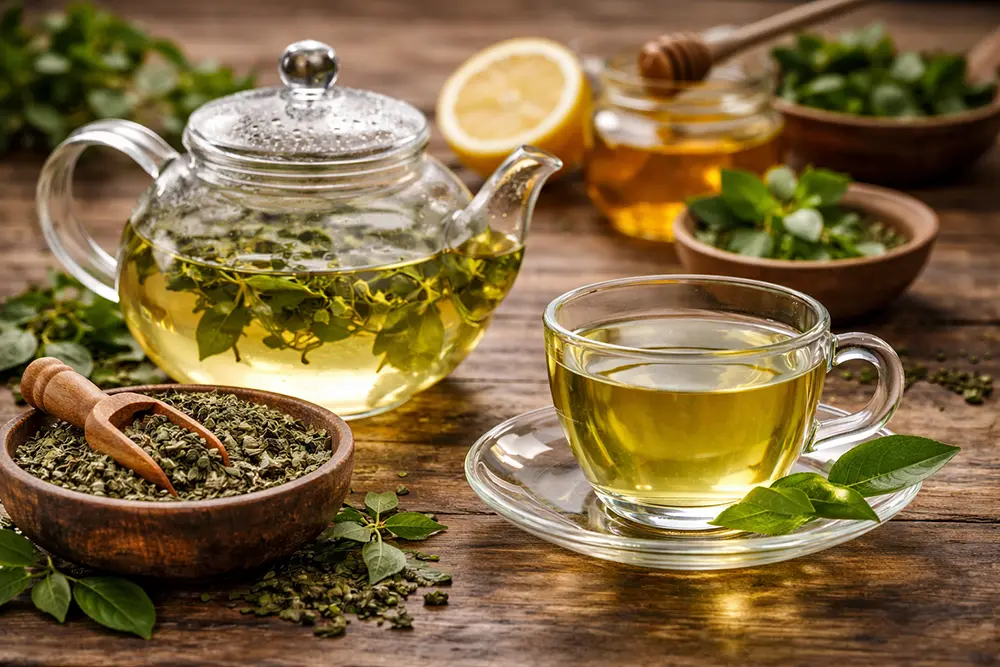
Color: Pale golden to light green
Aroma: Fresh, soft vegetal with mild floral hints
Body: Light to medium
Taste: Smooth, gently grassy, lightly sweet
Finish: Clean and refreshing
It is neither overly grassy nor heavily toasted. Its defining trait is balance.
Versatility in Modern Lifestyles
Green tea today extends beyond traditional teacups. persian green tea adapts easily to modern consumption trends.
It can be enjoyed:
Hot and plain With lemon With fresh mint As iced green tea Lightly sweetened In smoothies As a culinary infusion
Its mild bitterness prevents it from overpowering other ingredients.
Because it is naturally aromatic rather than artificially scented, it integrates smoothly into contemporary beverage menus.
For natural energy and balance, try our pure Green Tea sourced from Iranian highlands.
Green Tea and Mindful Living
Green tea often symbolizes simplicity and presence.
Brewing and drinking it encourages:
Slower pacing Intentional hydration Quiet reflection
In today’s fast-paced environment, such small rituals matter.
Iranian green tea supports this philosophy with a character that unfolds gently rather than demanding attention.
It fits seamlessly into wellness-oriented lifestyles.
Clean-Label Appeal
Consumers increasingly seek beverages that are:
Naturally processed Minimally altered Transparent in origin Free from synthetic enhancements
Iranian green tea aligns well with these preferences.
Its strength lies in authenticity:
Naturally grown leaves Traditional processing Moderate stimulation Balanced flavor
This clean-label positioning makes it suitable for premium and export markets focused on quality and traceability.
Brewing Considerations
Like all green teas, Iranian green tea benefits from careful brewing.
Because green tea is less oxidized than black tea, extremely high water temperatures can increase bitterness.
A balanced infusion highlights:
Natural sweetness Gentle aroma Smooth texture
A full brewing guide can be explored in a separate article dedicated to achieving the perfect cup.
Why persian Green Tea Deserves Attention
persian green tea may not be as internationally recognized as some East Asian varieties, but its distinct character offers:
Approachability Smooth daily drinkability Balanced caffeine levels Natural antioxidant presence Cultural authenticity
It does not compete through intensity.
It stands through balance.
Final Thoughts
Green tea has earned its global reputation as a symbol of wellness and clarity. Iranian green tea contributes meaningfully to that tradition with a softer, warmer interpretation shaped by the climate of northern Iran.
Its support for metabolism, antioxidant content, mild calming effect, and versatility make it ideal for modern daily life.
In a world where wellness is often overcomplicated, Iranian green tea offers something refreshingly simple:
A naturally balanced cup that supports healthy living — one mindful sip at a time.