

Iced Chai Latte: Sweet, Creamy, and Perfect for Summer

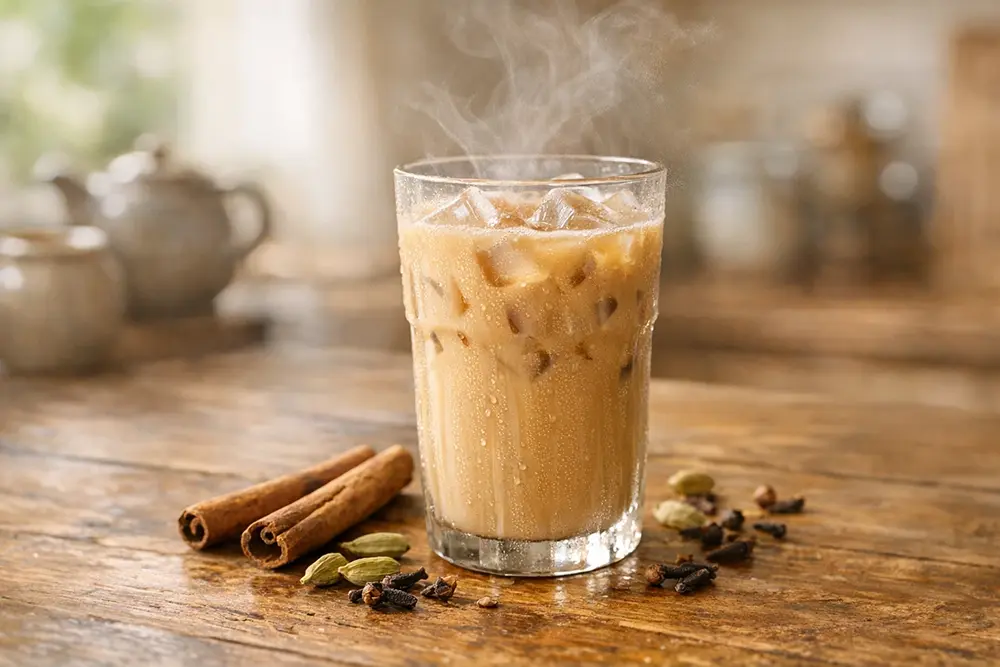
Iced Chai Latte is one of those drinks that feels like a bridge between seasons. It carries the warmth of traditional chai spices yet cools you down with its refreshing iced finish. This contrast—spicy and cold, creamy and light—has turned it into a worldwide favorite, especially during warm spring days and hot summer afternoons.
Although the drink is now famous in cafés everywhere, its roots go back to the traditional spiced tea blends found across South Asia. Today, the iced version has taken on a life of its own, becoming a modern classic served in both cozy home kitchens and specialty coffee shops.
In this guide, we’ll explore its flavor, ingredients, cultural background, and how to make an iced chai latte that tastes balanced—not overly sweet, not overly spicy, but perfectly smooth and refreshing.
What Exactly Is an Iced Chai Latte?
At its core, an iced chai latte is a cold beverage made from:
– strong brewed chai tea
– milk (cold or frothed)
– ice
– a hint of sweetener
Unlike traditional hot chai, which is simmered, the iced version is brewed strong and chilled. This creates a drink with:
– creamy texture
– mild sweetness
– the aromatic warmth of spices
– a refreshing cold finish
The beauty of this drink lies in its balance. It’s flavorful enough to feel comforting but cool enough to be energizing in warm weather.
For readers who enjoy exploring spiced teas, the iced chai latte also pairs well with other aromatic blends such as Masala Chai, which emphasizes a deeper spice profile and warm traditional preparation methods.
Flavor Profile of an Iced Chai Latte
The iced chai latte stands out because its flavor is layered and multidimensional. Each sip contains a mix of:
– Warm spices — cinnamon, cloves, cardamom, ginger
– Creaminess — from milk or plant-based alternatives
– Light sweetness — enough to soften the spices
– Refreshing chill — thanks to the ice
While hot chai relies on long simmering, the iced version needs a stronger initial brew to ensure the flavors remain bold even when poured over ice.
The contrast between cold temperature and warm spices creates a unique sensory experience—one that feels comforting without being heavy. It’s precisely this contrast that makes the drink so popular among younger tea lovers who enjoy café-style beverages but still appreciate authentic flavors.
Ingredients Used in an Iced Chai Latte
A great iced chai latte starts with great ingredients. Here’s what goes into the drink:
Strong Black Tea
A robust black tea forms the base. Many cafés use Assam tea because of its depth and natural malty notes.
If you prefer a smoother base, a high‑quality Iranian black tea—like Chaylar Black Tea—creates a balanced and refined flavor.
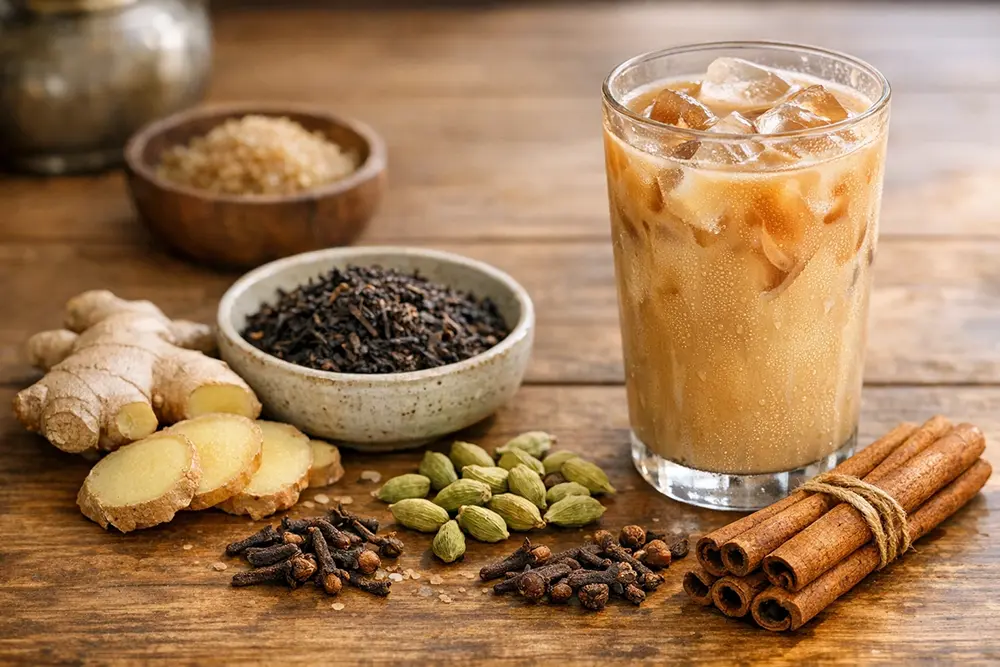
Simple ingredients come together to create a creamy iced chai latte.
Chai Spices
Common spices include:
– cinnamon
– green cardamom
– cloves
– ginger
– black pepper
– star anise (optional)
These spices add warmth and character without overwhelming the drink.
Milk or Milk Alternatives
Any of the following work beautifully:
– whole milk
– oat milk
– almond milk
– coconut milk
A slightly creamier milk creates a softer flavor, making the drink feel more indulgent.
Sweetener
This part is optional and based on preference. Popular choices:
– honey
– simple syrup
– brown sugar
– vanilla syrup
Adding sweetener enhances the spice notes and creates the café-style finish many people enjoy.
Ice
Ice doesn’t just cool the drink—it also lightens the intensity and balances the spices, creating a refreshing experience perfect for warm weather.
How Iced Chai Latte Originated
Although the “latte” style is modern, chai itself has been part of South Asian culture for centuries. Traditional chai is served hot and is deeply connected to hospitality and daily life.
The iced version emerged much later as cafés around the world began experimenting with traditional beverages. With the rising popularity of iced coffee and iced matcha, iced chai naturally followed. It quickly became a favorite among those who wanted:
– something more flavorful than iced coffee
– something lighter than a creamy milkshake
– and something refreshing but still aromatic
Today, iced chai latte has become a signature drink in many cafés—symbolizing a blend of tradition and modern café culture.
How to Make an Iced Chai Latte at Home

Preparing a refreshing iced chai latte at home with tea, milk, and ice.
Making an iced chai latte at home is simple, and the result is just as delicious as a café version.
— Brew Strong Chai
Use 2 tea bags or 2 teaspoons of loose black tea.
Add your preferred spices and brew for 5–7 minutes until very strong.
Chill it in the refrigerator.
— Prepare Your Milk
Use cold milk or froth it lightly for extra creaminess.
— Sweeten
Add syrup or sugar while the tea is still warm so it dissolves fully.
— Assemble
Fill your glass with ice.
Pour in the strong chai.
Top with milk.
Stir lightly and enjoy.
This method gives you full control over sweetness, spice strength, and creaminess.
Tips to Make It Taste Even Better
– Brew the chai stronger than usual to avoid dilution from ice.
– Use a few crushed cardamom pods for a more aromatic flavor.
– Chill the chai completely before assembling to prevent melting the ice.
– Try brown sugar syrup for a café-style caramel note.
– If you like a very creamy version, use half‑and‑half or rich coconut milk.
These small details elevate the drink from simple iced tea to a smooth and flavorful summer beverage.
Iced Chai Latte vs Traditional Chai
While they share ingredients, the experience is entirely different:
– Temperature: hot vs cold
– Texture: frothy and warm vs chilled and creamy
– Flavor: intense spices vs softened, smooth spices
– Purpose: comfort drink vs refreshing summer drink
Still, both remain rooted in the same cultural foundations—especially in how they bring people together around flavors that feel warm, familiar, and comforting.
Best Time to Enjoy an Iced Chai Latte

A chilled iced chai latte is perfect for warm afternoons, outdoor moments, and relaxing summer days.
Although perfect for summer, iced chai latte works beautifully in:
– warm spring afternoons
– outdoor gatherings
– beach days
– picnics
– café mornings
– light brunches
It’s easy to prepare, travels well, and pairs naturally with pastries, light breakfasts, or fresh fruit.
More Than Just a Summer Drink
Iced chai latte is more than a seasonal treat—it’s a refreshing expression of chai culture adapted for modern tastes. It carries the aromatic beauty of traditional spices while embracing a cool, smooth finish that suits warm climates and busy routines.
Whether made at home or enjoyed in a café, this drink represents the evolving world of tea and how classic flavors continue to inspire new creations.
For those exploring deeper chai traditions, drinks like Masala Chai offer a warm and spice-forward alternative rooted in centuries of cultural heritage.
Common Questions About Iced Chai Latte
What makes iced chai latte different from iced tea?
Iced chai latte contains milk and spices, while iced tea is lighter and usually doesn’t include milk.
Is iced chai latte caffeinated?
Yes, because it’s made with black tea. The caffeine content is moderate.
Can I use plant‑based milk for iced chai latte?
Absolutely. Oat milk and almond milk work especially well.
Does iced chai latte taste spicy?
It’s mildly spiced. The cold temperature and milk naturally soften the spice intensity.
Is an iced chai latte sweet?
It depends. Many café versions are sweet, but you can adjust sweetness at home.
What is the best tea for iced chai latte?
A strong black tea such as Assam works well, but a high‑quality Iranian black tea creates a smoother taste.
Can I make it without sugar?
Yes, the drink tastes great with or without sweetener.
Can I prepare the chai base in advance?
Yes, you can brew and refrigerate the chai concentrate for 2–3 days.